
 Editor's Desk




This article was originally published in Rest of World, which covers technology’s impact outside the West.
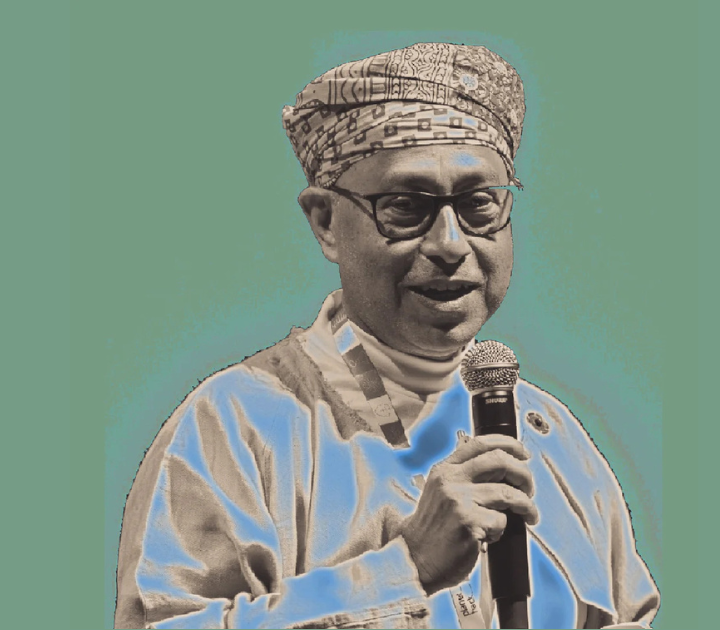
When Osama Manzar started the nonprofit Digital Empowerment Foundation in 2002, just 1.2% of India’s population was online. Now, more than 70% is. But Manzar’s mission statement – helping poor and rural communities come out of the digital dark to access information, literacy, and livelihoods – still holds.
In the age of artificial intelligence, Manzar senses the risk of another extractive technology, with the benefits and control concentrated among powerful actors both at the algorithmic level and in terms of land and water.
As protests erupt from India to Malaysia to Chile, Manzar – who has served on several Indian government and international policy committees dealing with internet access, digital inclusion, and infrastructure – not only questions how and where the data centers are being built, but also why. Especially when they’re on track to consume water equivalent to that of 1.3 billion people’s annual domestic needs, and require electricity matching the energy demand of 650 million people by 2030.
The conversation has been edited for length and clarity. A recording of the live Rest of World event is available here.
What is the role of local communities in how data center development is happening?
In the US, people have come out to ask the government to ban data centres or shut some….

News reported through various sources and compiled with AI. This is automatically generated news content from known, popular, and reliable sources available at the time of publication.
We do not take any responsibility for, nor make any representations regarding, the accuracy, completeness, credibility, or
reliability of the content.
In case of any discrepancy, error, or copyright claim, we will promptly review and remove the content in question where appropriate.
We do not claim ownership of third-party content and assume no responsibility or liability whatsoever for any information contained herein. The credit, links and images are kept intact as an honest gesture, are property of its respective owners.