


 Editor's Desk




Why do people respond differently to mosquito bites? A scientist explains
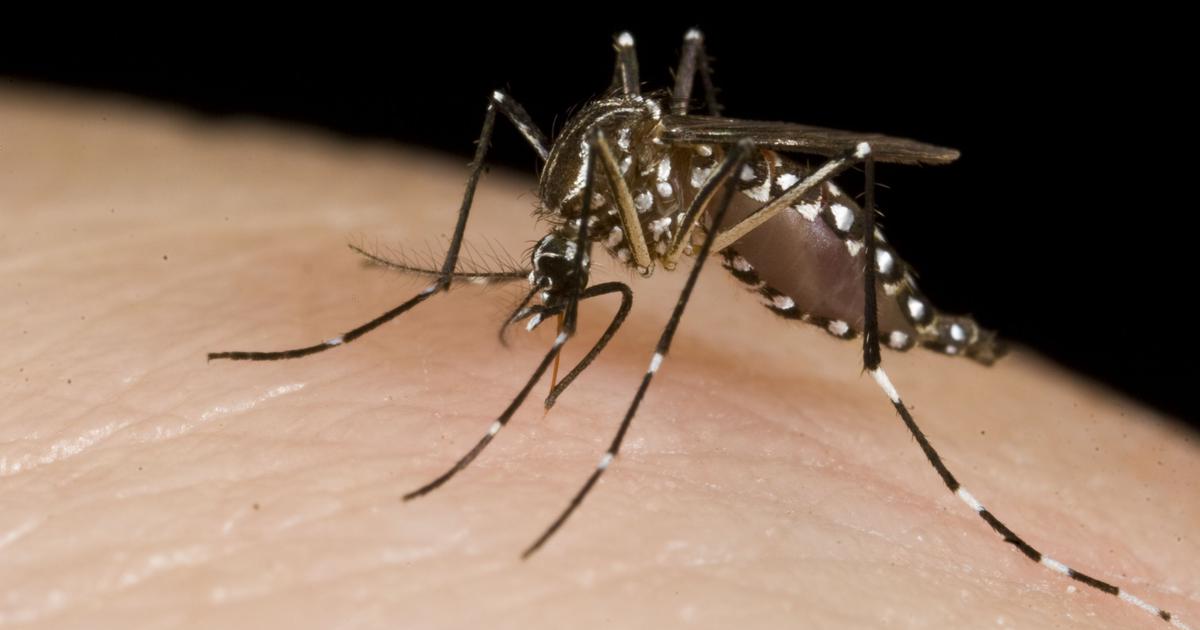
Two people spend an evening in the same garden and receive roughly the same number of mosquito bites. By morning, one barely notices them – while the other is covered in large, swollen, intensely itchy welts that linger for days.
Most of us have experienced this, or know someone who has. But why is it that mosquito bites affect some people so differently? The answer lies in the way a mosquito’s saliva interacts with our unique immune system.
When a mosquito bites you, they inject saliva into your skin. The immune system recognises the saliva as foreign and releases histamine – an immune cell chemical that causes allergy symptoms such as redness, swelling and itchiness.
But this only partly explains what’s going on. A mosquito’s saliva also contains a range of other biologically active compounds that interact with the immune system in more complex ways than once assumed.
For instance, a mosquito’s saliva also contains proteins that prevent blood clotting and keep blood flowing so they can feed undisturbed.
These same salivary proteins influence the immune response that occurs at the bite site. Rather than acting solely as a feeding aid, mosquito saliva can alter the local immune environment within minutes of a bite.
In plain terms, the saliva nudges the immune system toward a particular kind…

News reported through various sources and compiled with AI. This is automatically generated news content from known, popular, and reliable sources available at the time of publication.
We do not take any responsibility for, nor make any representations regarding, the accuracy, completeness, credibility, or
reliability of the content.
In case of any discrepancy, error, or copyright claim, we will promptly review and remove the content in question where appropriate.
We do not claim ownership of third-party content and assume no responsibility or liability whatsoever for any information contained herein. The credit, links and images are kept intact as an honest gesture, are property of its respective owners.