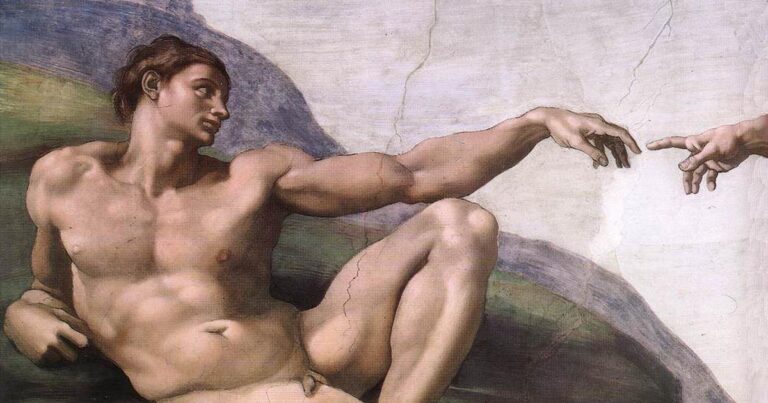


 Editor's Desk




This book examines nonbinary thinking and Christianity in the late Roman Empire and the Middle Ages
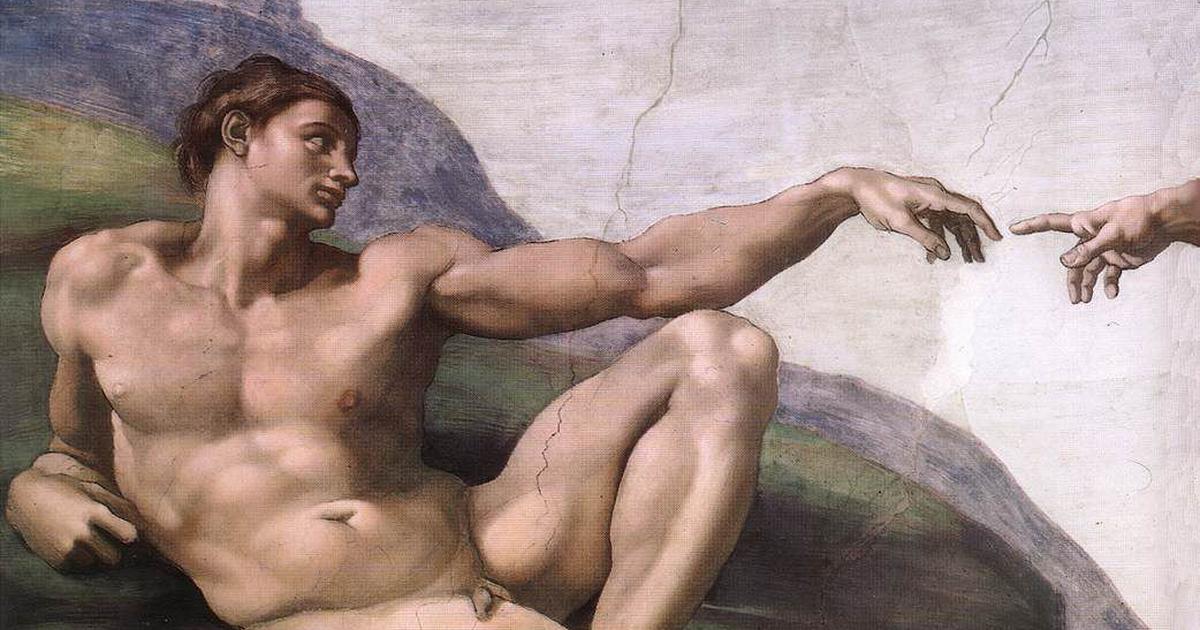
Between late antiquity and the end of the Middle Ages (ca. 200–1400 CE), Christian scholars, theologians, jurists, and medical practitioners frequently drew on the Bible to think and write about nonbinary individuals. At stake was figuring out the limits of who counted as human – and, by extension, who got to go to heaven (sins permitting). The Book of Genesis contains a potential nonbinary individual at the start of human history: Adam.
God was said to have created Adam and then created Eve. According to some early versions of Genesis, God split Adam in half, using one of his sides to make Eve. In a translated version that became widespread, Eve was created from Adam’s rib (and was therefore, by implication, inferior to Adam). Either way, for some early Christian thinkers, Adam may have begun as a unified whole transcending the male/female division. Medieval science and gender historian Leah DeVun and other scholars of early Christianity call this idea “primal androgyny.”
Adam’s potential androgyny raised troubling questions for adherents of gender binaries in the here and now: Was the original “natural” state of humans androgyny (the absence of sex), or did human history begin at some point after that, once Eve was created…

News reported through various sources and compiled with AI. This is automatically generated news content from known, popular, and reliable sources available at the time of publication.
We do not take any responsibility for, nor make any representations regarding, the accuracy, completeness, credibility, or
reliability of the content.
In case of any discrepancy, error, or copyright claim, we will promptly review and remove the content in question where appropriate.
We do not claim ownership of third-party content and assume no responsibility or liability whatsoever for any information contained herein. The credit, links and images are kept intact as an honest gesture, are property of its respective owners.