


 Editor's Desk


In a surprising reversal of trends, world’s mangrove forests are expanding
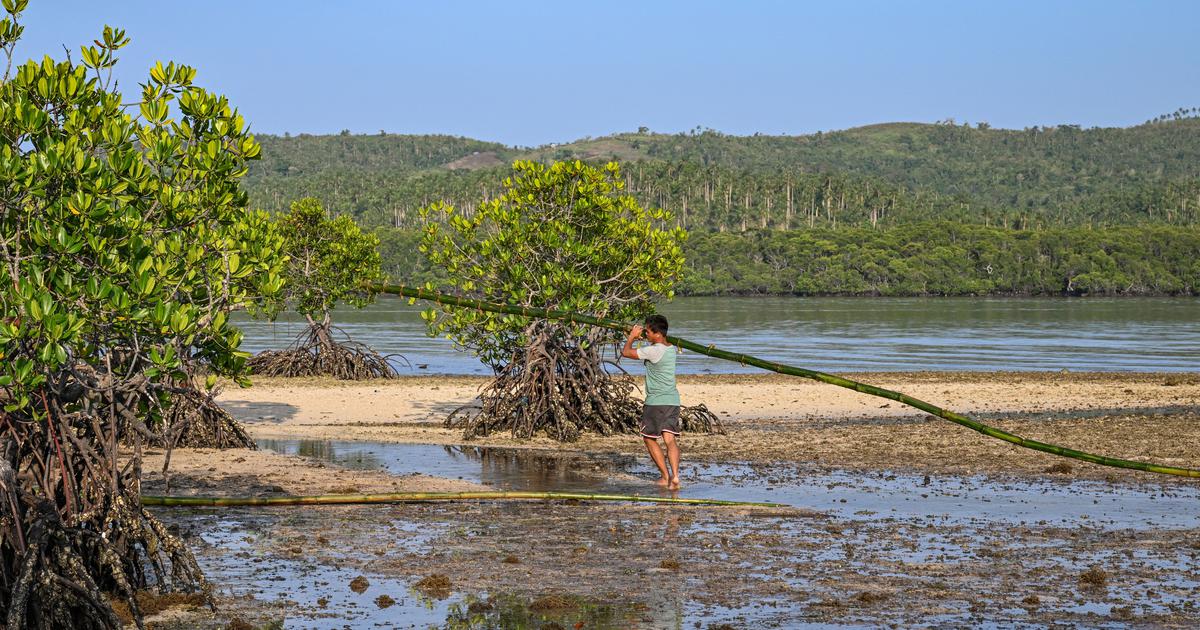
Mangroves are perplexing plants.
They breathe through their roots, appear to stand on stilts and grow best in hot, salty seawater drawn in and out by the tide.
Historically, mangrove forests have been dismissed as inhospitable places to avoid and have been extensively cleared. But these fascinating trees are now gaining attention for how they support biodiversity, store carbon and buffer the effects of storms, cyclones and tsunamis.
Since 1984, scientists have been monitoring the growth and geographical reach of mangrove forests using satellites. And for the first time, these unique ecosystems are expanding at a faster rate than they are declining.
So what’s driving this? And could it help curb climate change?
Why mangroves matter
Mangrove forests were long viewed as largely expendable places. Research shows people were quick to convert them into rice paddies, oil palm plantations and aquaculture operations. Some were even used as rubbish tips.
However, mangrove forests are now recognised as a vital part of our coastal environments. They provide habitat for a wealth of plants and animals including fish such as barramundi and giant shovelnose rays, reptiles such as seasnakes and even mammals such as the proboscis monkey and water mouse. They are crucial carbon stores, locking up roughly four times more carbon than other land-based forests. Mangroves can also shelter coastal communities and ecosystems from natural disasters by reducing the risk of flooding and erosion.
From an economic perspective, mangrove forests allow millions of fishers to earn a living as…

News reported through various sources and compiled with AI. This is automatically generated news content from known, popular, and reliable sources available at the time of publication.
We do not take any responsibility for, nor make any representations regarding, the accuracy, completeness, credibility, or
reliability of the content.
In case of any discrepancy, error, or copyright claim, we will promptly review and remove the content in question where appropriate.
We do not claim ownership of third-party content and assume no responsibility or liability whatsoever for any information contained herein. The credit, links and images are kept intact as an honest gesture, are property of its respective owners.