


 Editor's Desk





Long gaps between meals affect older people differently, shows study
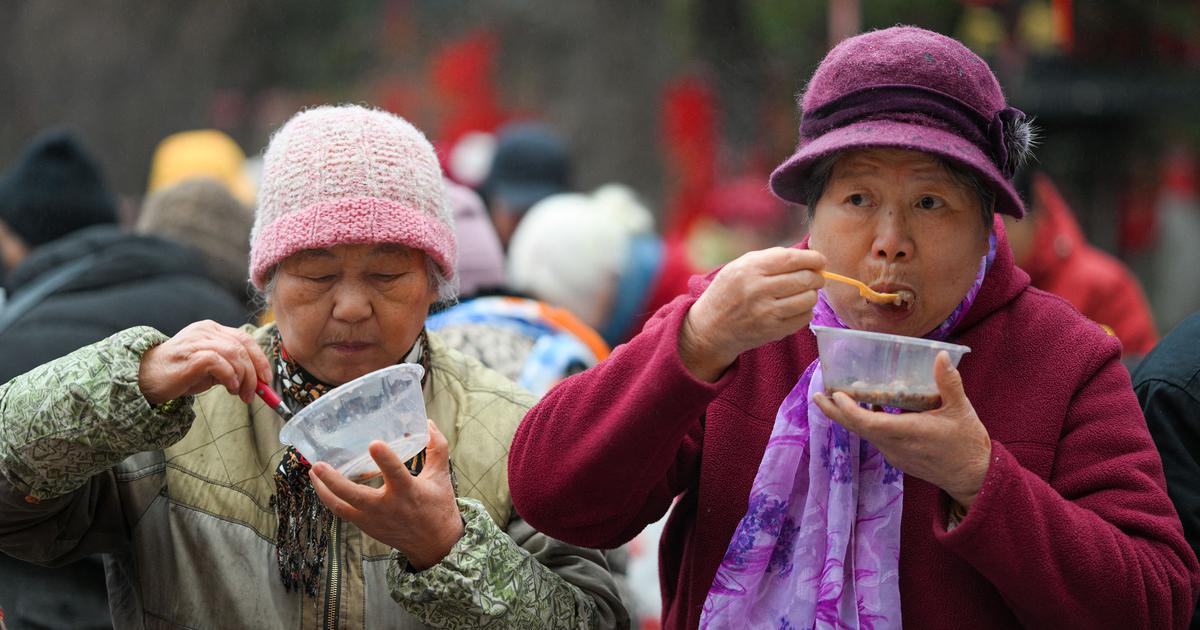
Going for much of the day without eating is often promoted as a way to improve health or lose weight. But a new study suggests that long gaps between meals may have different effects on older adults – especially those in the oldest age groups.
For the study, my colleagues and I followed nearly 3,000 people aged 60 and over in Sweden and found that those who usually went longest without eating developed chronic diseases faster than those who had shorter gaps between meals. The difference was clearest among people aged 78 and over.
This does not mean that fasting causes disease in old age, nor that every older person should avoid long intervals without food. But it does raise questions about whether advice based on studies of younger and middle-aged adults can be safely applied to older age groups.
Fasting helps the body switch from using readily available sugar to using stored energy, such as fat. Studies in younger adults have linked some forms of fasting to better control of blood sugar and other potentially beneficial changes in metabolism. A recent review found that intermittent fasting led to modest weight loss and some improvements in metabolic health compared with eating without restrictions.
Older bodies, however, work differently in important ways. Ageing changes how…

News reported through various sources and compiled with AI. This is automatically generated news content from known, popular, and reliable sources available at the time of publication.
We do not take any responsibility for, nor make any representations regarding, the accuracy, completeness, credibility, or
reliability of the content.
In case of any discrepancy, error, or copyright claim, we will promptly review and remove the content in question where appropriate.
We do not claim ownership of third-party content and assume no responsibility or liability whatsoever for any information contained herein. The credit, links and images are kept intact as an honest gesture, are property of its respective owners.