

 Editor's Desk




How will the victory by Germany’s far-right AfD in a state election affect the country’s politics?
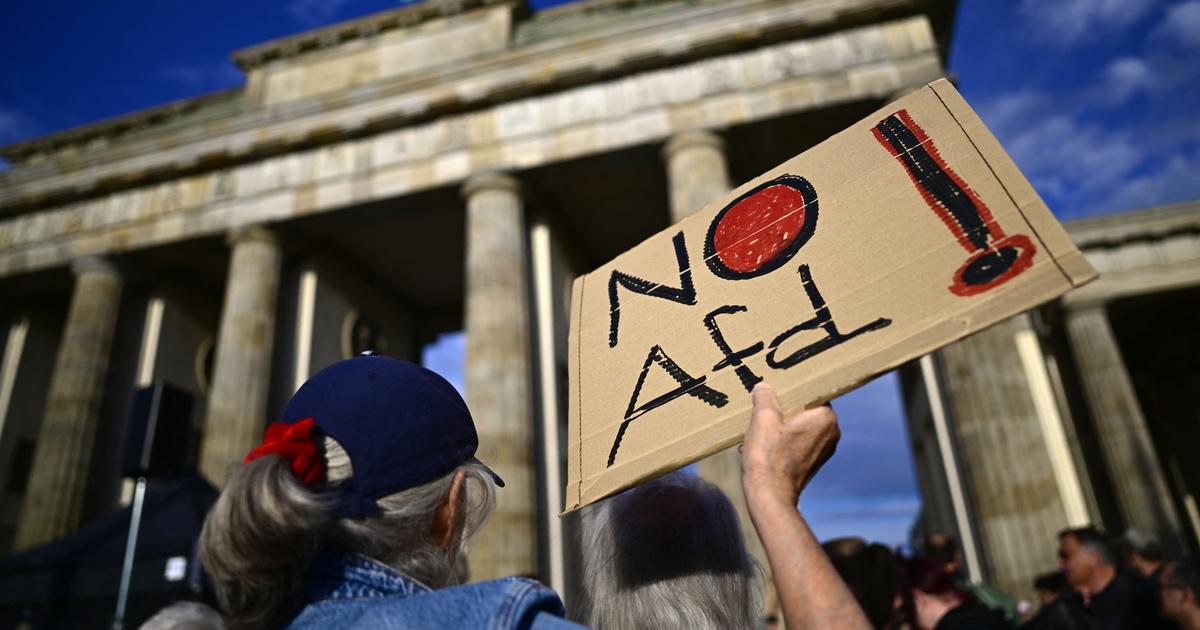
The results of Germany’s Saxony-Anhalt state election on September 6 were far worse than feared for the country’s mainstream political parties. The far-right Alternative für Deutschland (AfD) came close to winning a majority of votes, with 43.8%. This was about 4% higher than polls had suggested.
Support for the centre-right Christian Democratic Union of Germany (CDU), on the other hand, imploded. It won 17.2% of the vote, down from 37.1% in 2021, performing substantially worse than predicted.
At nearly 78%, turnout was up substantially compared with 2021 – in a way that helped the AfD. Analysis suggests the growth in its support came mostly from former non-voters, joined by a substantial number of erstwhile Christian Democratic Union of Germany supporters.
The polarised nature of the election, with 41% of voters surveyed beforehand wanting an AfD-led government but 46% favouring one led by the CDU, had some surprising effects. One was that it flattered the social democratic SPD and the Greens.
Both the SPD and Greens received tactical support from CDU and Left Party voters to make sure they reached the 5% of votes required to win seats in the state parliament.
The AfD, which had said it would only seek to govern if it had a majority, now has several paths to seeing its…

News reported through various sources and compiled with AI. This is automatically generated news content from known, popular, and reliable sources available at the time of publication.
We do not take any responsibility for, nor make any representations regarding, the accuracy, completeness, credibility, or
reliability of the content.
In case of any discrepancy, error, or copyright claim, we will promptly review and remove the content in question where appropriate.
We do not claim ownership of third-party content and assume no responsibility or liability whatsoever for any information contained herein. The credit, links and images are kept intact as an honest gesture, are property of its respective owners.