

 Editor's Desk




China passes law allowing it to target critics beyond its borders
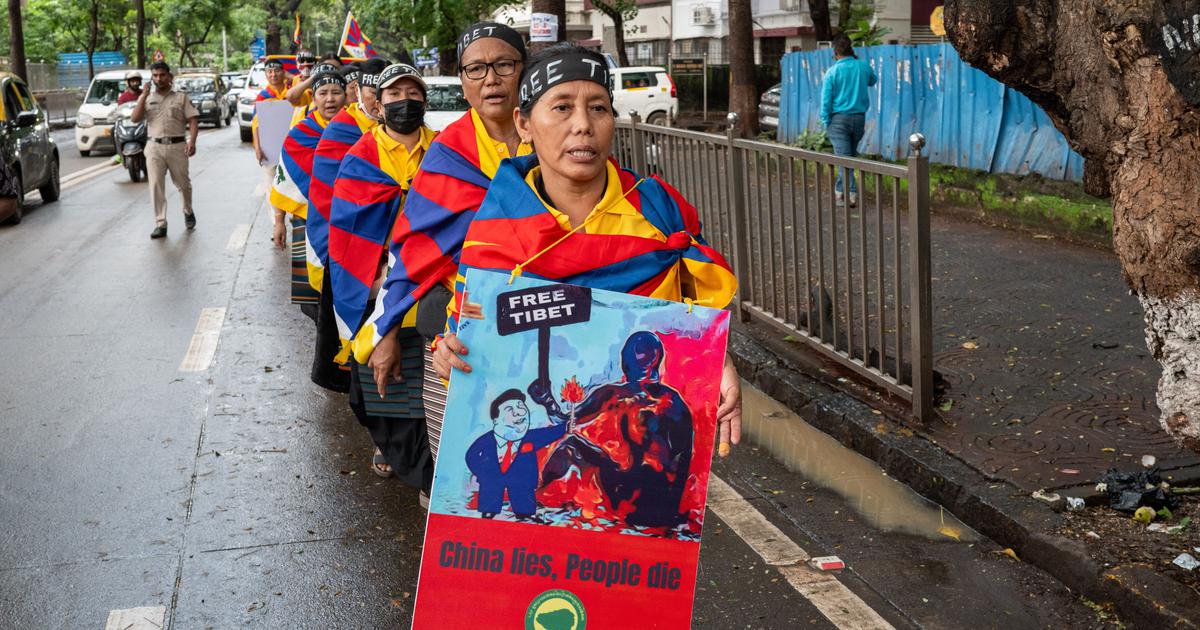
On July 1, China brought into force its Law on Promoting Ethnic Unity and Progress, converting a decade of Xi Jinping’s doctrine of “forging a strong sense of community for the Chinese nation” into binding law.
Most attention has gone to its domestic machinery: entrenching Mandarin over minority languages, unified state textbooks and “inter-embedded” neighbourhoods engineered to dilute concentrations of Uyghurs and Tibetans among the Han majority. In other words, this is an assimilationist project that’s already far advanced.
The provision that matters most to the world outside China is buried near the end. Article 63 declares that organisations and individuals outside Chinese territory who “undermine ethnic unity” or “create ethnic division” shall be pursued for legal liability.
The Chinese government is therefore asserting, in statute, that its authority follows its critics across oceans into other countries, including Canada, home to some of the world’s largest Chinese, Uyghur and Tibetan diaspora communities. The danger is not that the law reaches across borders. It is what it criminalises, whom it targets and how it’s enforced.
Getting the definition right
The reflexive response is to call this legal imperialism. The conclusion is right, but the usual reasoning is lazy. That matters, because extraterritorial jurisdiction is neither a Chinese invention nor a monopoly. Get the objection wrong, and China…

News reported through various sources and compiled with AI. This is automatically generated news content from known, popular, and reliable sources available at the time of publication.
We do not take any responsibility for, nor make any representations regarding, the accuracy, completeness, credibility, or
reliability of the content.
In case of any discrepancy, error, or copyright claim, we will promptly review and remove the content in question where appropriate.
We do not claim ownership of third-party content and assume no responsibility or liability whatsoever for any information contained herein. The credit, links and images are kept intact as an honest gesture, are property of its respective owners.