





CJP: Understanding Its Origins, Purpose, and the Ongoing Delhi Protests
 Editor's Desk
6 minutes read
Editor's Desk
6 minutes read
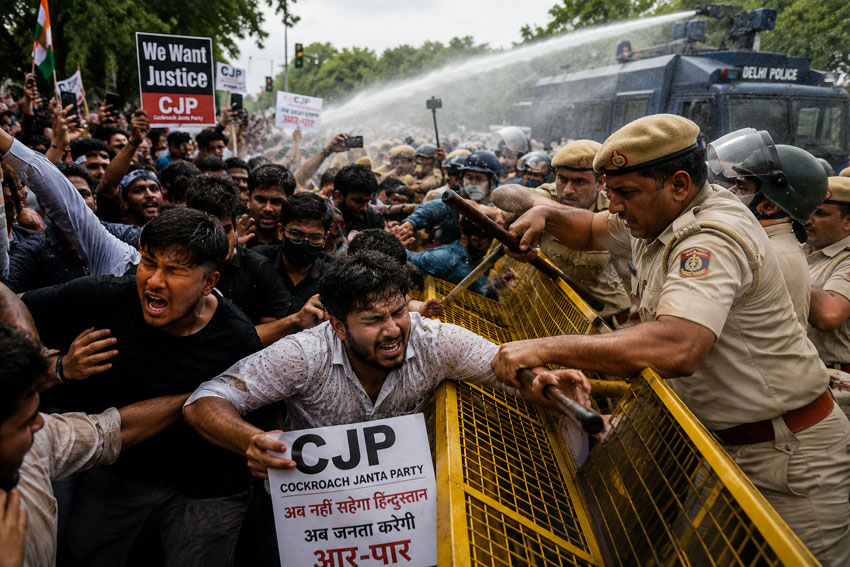
In recent weeks, Cockroach Janta Party (CJP) has become one of the most talked-about movements in India. What started as an online youth campaign has rapidly evolved into a nationwide protest movement, drawing thousands of students and young professionals to Delhi and other cities.
The movement has generated widespread discussion on social media, political platforms, and news channels. Supporters describe it as a fight for accountability and education reform, while critics have questioned some of its methods and political implications. Regardless of differing opinions, CJP has succeeded in placing issues affecting India’s youth at the center of public debate.
What is CJP?
CJP stands for Cockroach Janta Party, a youth-led movement that first gained traction on social media before organizing public demonstrations.
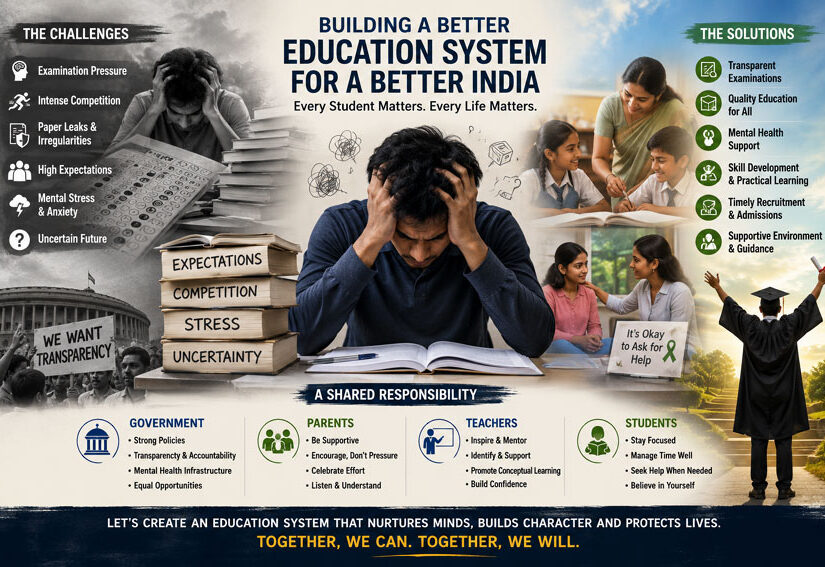
Despite the name, CJP did not initially present itself as a conventional political party. Instead, it emerged as a decentralized protest movement focused on concerns affecting students and young job seekers, particularly alleged irregularities in competitive examinations, transparency in public institutions, and accountability within the education system.
How Did CJP Begin?
The origins of CJP are closely linked to public frustration over repeated controversies involving competitive examinations and recruitment processes.
Its unusual name traces back to a courtroom remark in which unemployed youth were compared to “cockroaches.” Rather than rejecting the label, supporters adopted it as a symbol of resilience, arguing that young people continue to persevere despite systemic challenges. The movement quickly gained millions of followers online and transitioned from digital activism to large public gatherings.
Why Was CJP Formed?
According to its organizers, CJP was created to amplify concerns shared by students and job aspirants across the country.
Its stated objectives include:
- Greater transparency in public examinations
- Stronger safeguards against examination paper leaks
- Accountability for officials responsible for lapses
- Faster and fairer recruitment processes
- Improved governance in the education sector
- Greater attention to youth unemployment
The movement argues that examination irregularities affect not only individual students but also public confidence in educational and recruitment systems.
Why Are the Delhi Protests Taking Place?
The current protests in Delhi are centered on demands for action over alleged examination irregularities and broader reforms in the education system.
Among the key demands reported by organizers are:
- Accountability for examination-related controversies
- Resignation of Union Education Minister Dharmendra Pradhan
- Reforms aimed at improving transparency and fairness
- Protection of students’ interests during recruitment and admission processes
Demonstrations have taken place at Jantar Mantar and near Parliament under the banner of “Sansad Chalo,” attracting participants from multiple states.
How the Movement Grew
CJP’s rapid rise has largely been driven by social media.
Online platforms enabled organizers to reach millions of students and young professionals in a short period. What began as a digital campaign soon developed into physical demonstrations, with participants gathering in Delhi and other cities.
The movement has also received support from education activists and sections of the political opposition, although CJP leaders have publicly emphasized that the movement originated independently of established political parties.
What Happened During the Delhi Demonstrations?
The protests intensified during the “Sansad Chalo” march in Delhi, where clashes were reported between protesters and police.
Authorities stated that restrictions were necessary to maintain public order and alleged that some protesters damaged public property. Protest organizers, meanwhile, accused the police of using excessive force against demonstrators.
The confrontations resulted in injuries, detentions, and heightened security measures across parts of the capital, including temporary closures of several Delhi Metro stations. These developments have further increased national attention on the movement.
Support and Criticism
Like many large public movements, CJP has received both praise and criticism.
Supporters argue that the protests have brought long-standing issues affecting students into the national spotlight. They believe examination reforms and institutional accountability deserve urgent attention.
Critics, however, question whether the movement risks becoming politicized as more political parties express support. Others have raised concerns about disruptions caused by protests and reports of violence during some demonstrations.
These differing perspectives continue to shape public debate surrounding CJP.
Why the Movement Matters
India has one of the world’s largest youth populations, with millions of students preparing every year for competitive examinations, university admissions, and government recruitment.
Because of this, concerns over examination integrity, recruitment delays, and employment opportunities resonate with a broad section of society. Analysts suggest that CJP reflects wider frustrations among young people regarding education and employment, making it more than just a single-issue protest.
What Happens Next?
The future of the movement will likely depend on several factors, including government engagement with protesters, judicial developments, and whether organizers can maintain momentum while keeping demonstrations peaceful.
As of now, CJP leaders have indicated they intend to continue protests unless their key demands are addressed, while authorities have maintained heightened security in parts of Delhi.
Frequently Asked Questions (FAQs)
What does CJP stand for?
CJP stands for Cockroach Janta Party, a youth-led protest movement that emerged through social media before organizing public demonstrations.
Why was CJP created?
The movement says it was formed to demand greater transparency in examinations, accountability in education governance, and reforms addressing the concerns of students and job aspirants.
Why are protests taking place in Delhi?
The demonstrations focus on alleged examination irregularities, demands for education-sector reforms, and calls for accountability from government officials.
Is CJP a political party?
Although its name includes “Party,” CJP initially described itself as a youth-led protest movement rather than a conventional political party. Political actors have since expressed varying levels of support, leading to ongoing debate about its future direction.
Conclusion
The emergence of the Cockroach Janta Party marks an unusual moment in contemporary Indian public discourse. Born from online activism and fueled by concerns over examination integrity and youth opportunities, CJP has quickly become a prominent voice in debates about education and governance. Whether it evolves into a lasting civic movement or remains focused on its immediate demands, its rise has highlighted the importance of addressing the aspirations and frustrations of millions of students and young job seekers. The coming weeks will likely determine how the movement, the government, and the wider public respond to these challenges.
This is supervised, written, directed or edited at Our Office Desk.
Any issue or disagreement can be sent to the help desk, after thoroughly analyzing we will be open for any amicable solution.

 News Desk