

 Editor's Desk





The health effects of our warming climate go far beyond heat illnesses and direct fallouts from more frequent natural disasters. This issue of Eos explores some of the more nuanced ways that climate change is influencing personal health outcomes.
As deputy editor Emily Gardner bluntly states in the headline of this monthâs new feature, âAntimicrobial Resistance Is Killing Millions. Climate Change Is Making It Worse.â Although climate change is far from the only (or even the leading) cause of antimicrobial resistance, it is a factor: âClimate change can modify the environmental, ecological, and social conditions that allow resistant microorganisms and resistance genes to emerge, persist, move, and reach humans, animals, and ecosystems,â environmental health scientist Ronan Adler Tavella explains.
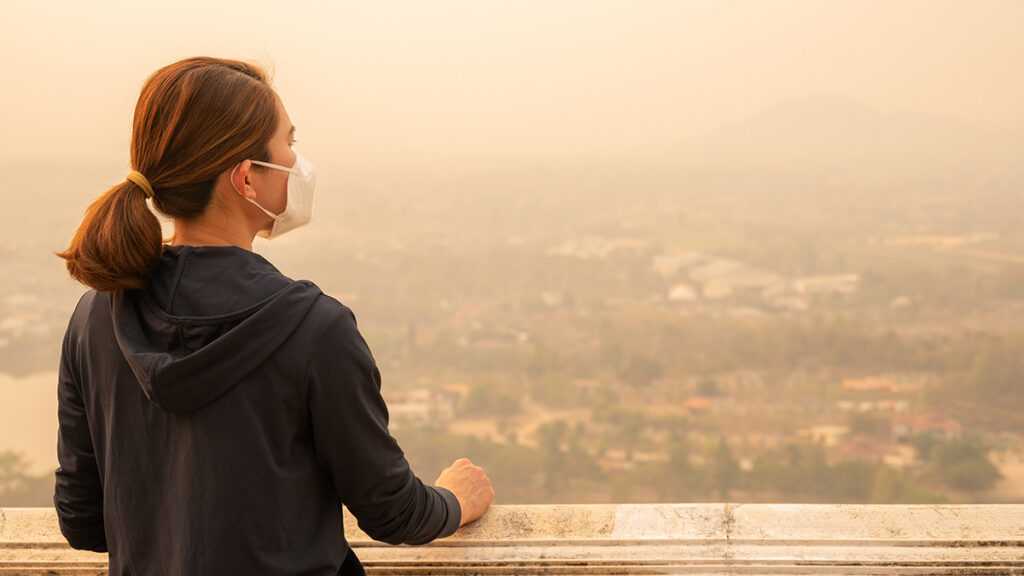
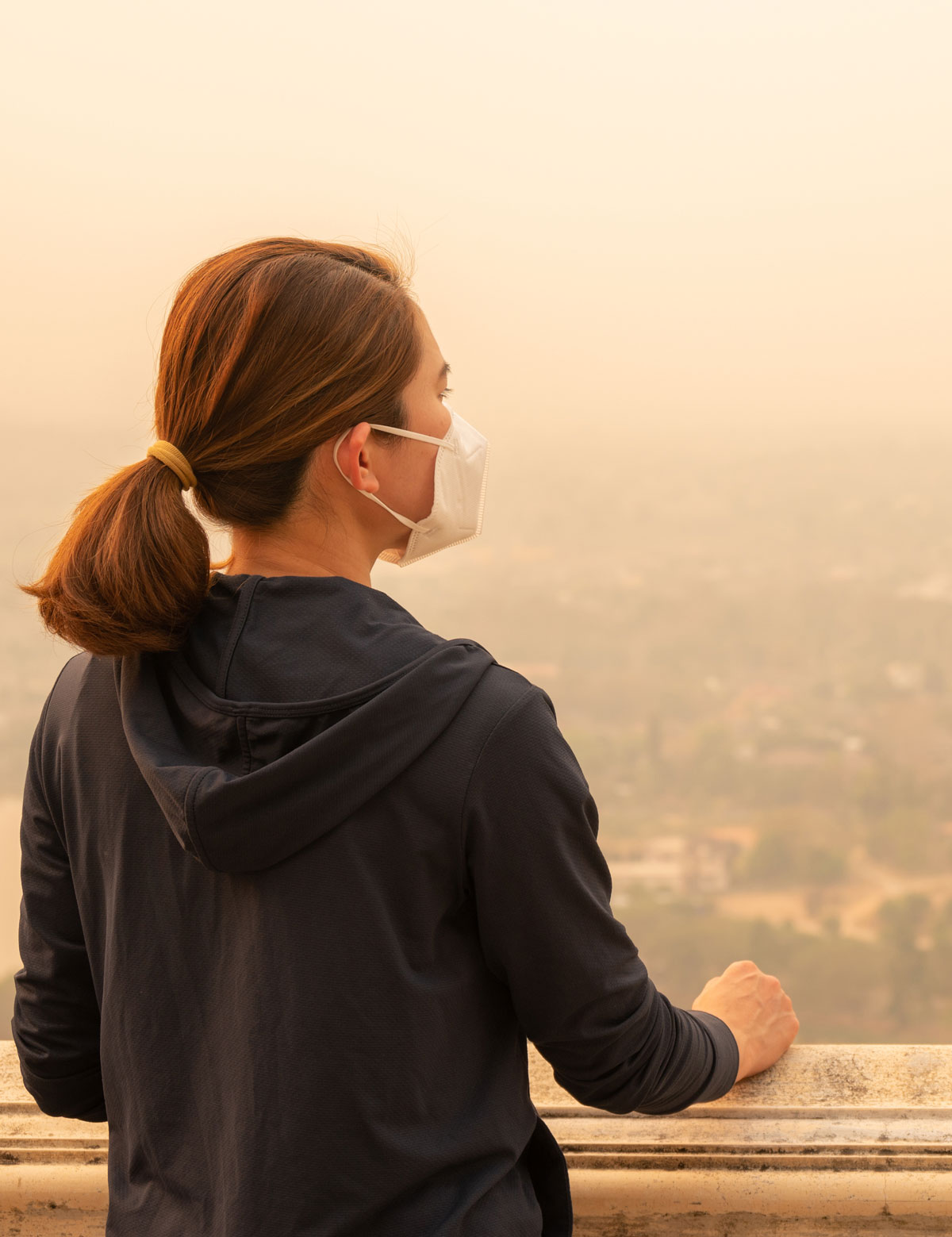
There are many other correlations between specific effects of climate change and personal health. Some scientists have linked an increase in particulate air pollution driven by more intense, more frequent wildfires to greater instances of stroke. Others have found that sea surface temperatures may help predict seasonal risks of malaria thousands of kilometers away.
Researchers have long tracked the mental toll of climate change but are now drawing specific lessons from specific instances. Scientist-authors Maheshwari Neelam and Kamaldeep Bhui, for example, explain how lake bed dust from the drying Great Salt Lake is associated with mental health outcomes across Utah in âLessons from Linking Great Salt Lake Desiccation and Depression.â Scientists are only beginning to learn the lessons of extreme temperatures and fatal overdoses, explains science reporter Grace van Deelen in âExtreme Heat and Extreme Cold Drive an Increase in Fatal Overdoses.â
Finally, effectively communicating the relationships between climate change and personal health is a science unto itself. Thatâs one message from research in GeoHealth that Rebecca Owen covers in âMany Americans Underestimate Health Risks of Extreme Weather, New Study Finds.â Poor risk communication can leave affected populations underprepared to face health dangers that can accompany climate-driven ecological changes, extreme heat and cold, and more intense instances of natural hazards.
We hope this issue of Eos helps improve risk communication by allowing you to better appreciate the scope and influence of climate change.
âCaryl-Sue Micalizio, Editor in Chief
Citation: Micalizio, C.-S. (2026), Individual consequences of a global crisis, Eos, 107, https://doi.org/10.1029/2026EO260279. Published on 1 September 2026.
Text © 2026. AGU. CC BY-NC-ND 3.0
Except where otherwise noted, images are subject to copyright. Any reuse without express permission from the copyright owner is prohibited.

News reported through various sources and compiled with AI. This is automatically generated news content from known, popular, and reliable sources available at the time of publication.
We do not take any responsibility for, nor make any representations regarding, the accuracy, completeness, credibility, or
reliability of the content.
In case of any discrepancy, error, or copyright claim, we will promptly review and remove the content in question where appropriate.
We do not claim ownership of third-party content and assume no responsibility or liability whatsoever for any information contained herein. The credit, links and images are kept intact as an honest gesture, are property of its respective owners.