

 Editor's Desk





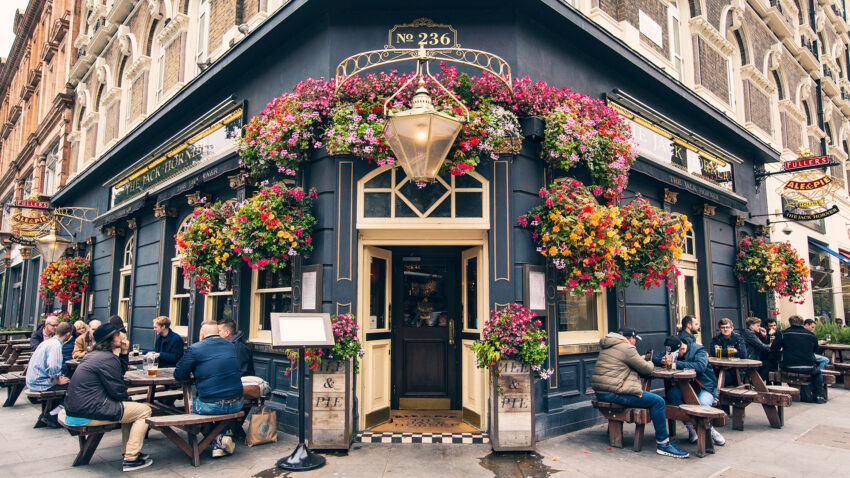
The government has ruled out scrapping or watering down the regulation of tied pubs, but said publicans could be given more freedom to challenge the arrangements that dictate what they pay for beer. The decision was set out in a long-awaited review of the pubs code and its regulator, published today.
The review concluded that the regime is working but can be strengthened to “provide more opportunities for tied tenants and pub-owning businesses”.
Ministers said they were broadly satisfied that the regulator and the rules were meeting their objectives. That dashed hopes among regulated pub companies that the Pubs Code Adjudicator and the code, which many in the industry believe is outdated, could be significantly curtailed or even scrapped. Campaigners for tenants had feared a voluntary code would be recommended.
The report said that, given changes to the industry since the code was introduced a decade ago, “targeted amendments may be appropriate”. The government said it wanted to help tenants who sought greater freedom to run their pubs, including negotiating fairer lease agreements and a better price for beer.
It added that it would consider commissioning an independent review next year into whether the regulator was doing enough to “protect tied tenants’ rights and fair treatment under the code”.
What the code covers
The pubs code regulates the relationship between tied tenants and the six largest pub-owning businesses that rent pubs to them and sell them beer.
It was intended to address an imbalance of power under the centuries-old beer tie, under which tenants are contractually obliged to buy certain supplies from their pub company landlord, typically at considerably higher prices than on the open market, in return for lower rent.
The report encompasses a statutory three-year review as well as a full post-implementation review of the regulator, in which ministers considered whether it was “still required”.
It has been published during an investigation by the adjudicator into the alleged mistreatment of tenants by Stonegate, Britain’s biggest pubs landlord. The review concluded long before that investigation was opened in July, and the government has been considering its response for more than a year.
Industry sources believe the outcry over Stonegate’s alleged conduct strengthened the case for regulation. One senior figure said that if the pubs code and the adjudicator “need justification for their existence then they don’t need to look any further than Stonegate”.
Many tenants have spoken publicly about what they claim have been the disastrous financial and personal consequences of taking on a Stonegate pub. Stonegate has said it is committed to the code and to the fair treatment of tenants.
Greg Mulholland, a former MP who was behind the parliamentary campaign that led to the code and is a director of the tenants’ group Campaign for Pubs, said: “We are very relieved that ministers did not fall for the transparently cynical nonsense spun by the big pubcos that [the code] wasn’t needed any more.”
He said abuse of the tie and other models was “still rife” and “continues to be a very significant factor in pub closures”.
Low take-up of free-of-tie deals
A key consideration was what the adjudicator, Fiona Dickie, has called “limited and diminishing access” for tenants to a market rent only agreement, the option under the code to buy beer and supplies on the open market.
Fewer than 400 tenants applied for a free-of-tie agreement between April 2022 and March 2025, saying they felt deterred by the cost and complexity.
Given the low take-up, the government said it would work on revising the gateways, or circumstances, that allow tenants to request the model. It would also ask the industry to expand the opt-outs that allow the tie to be broken for certain products or services, amid concerns about publicans being locked in over long periods.
One industry insider said they would welcome tenants being given greater choice in what beer they bought, adding that it would also “broaden choice for customers”.
The British Beer and Pub Association, the industry group, said it was pleased to see plans to reduce “red-tape and unnecessary costs” highlighted in the review, but added: “We look forward to seeing more detail, as any changes must be proportionate and not inadvertently undermine investment.”

News reported through various sources and compiled with AI. This is automatically generated news content from known, popular, and reliable sources available at the time of publication.
We do not take any responsibility for, nor make any representations regarding, the accuracy, completeness, credibility, or
reliability of the content.
In case of any discrepancy, error, or copyright claim, we will promptly review and remove the content in question where appropriate.
We do not claim ownership of third-party content and assume no responsibility or liability whatsoever for any information contained herein. The credit, links and images are kept intact as an honest gesture, are property of its respective owners.