

 Editor's Desk

1966 WEEK! Scott and Dan hit up the comics racks from 60 years ago…
—
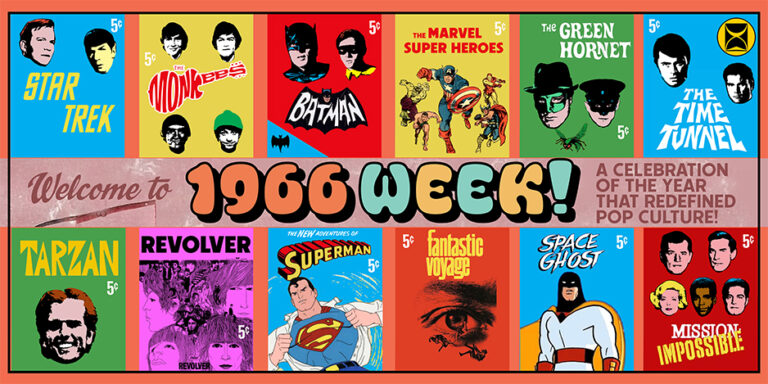
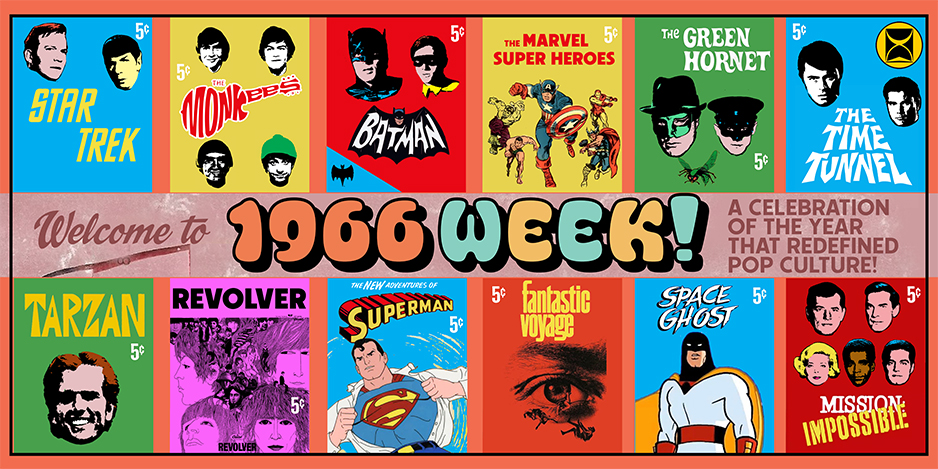
Welcome to 1966 WEEK — a 60th anniversary celebration of an extraordinary, landmark year in popular culture. For seven days, we’re bringing you a whole host of features on everything from Star Trek, to Batman, to the Beatles, to the Monkees, and much, much more. (Just check out Walt Grogan’s latest fab banner, above!) Click here for more of the far out fun! — Dan
—
This week for RETRO HOT PICKS, Scott and I are selecting comics that came out the week of Sept. 9, 1966 — part of 13th Dimension’s 1966 WEEK celebration.
Last time for RETRO HOT PICKS, it was the week of Sept. 2, 1975. Click here to check it out.
(Keep in mind that comics came out on multiple days, so these are the issues that went on sale between Sept. 6 and Sept. 12.)
—
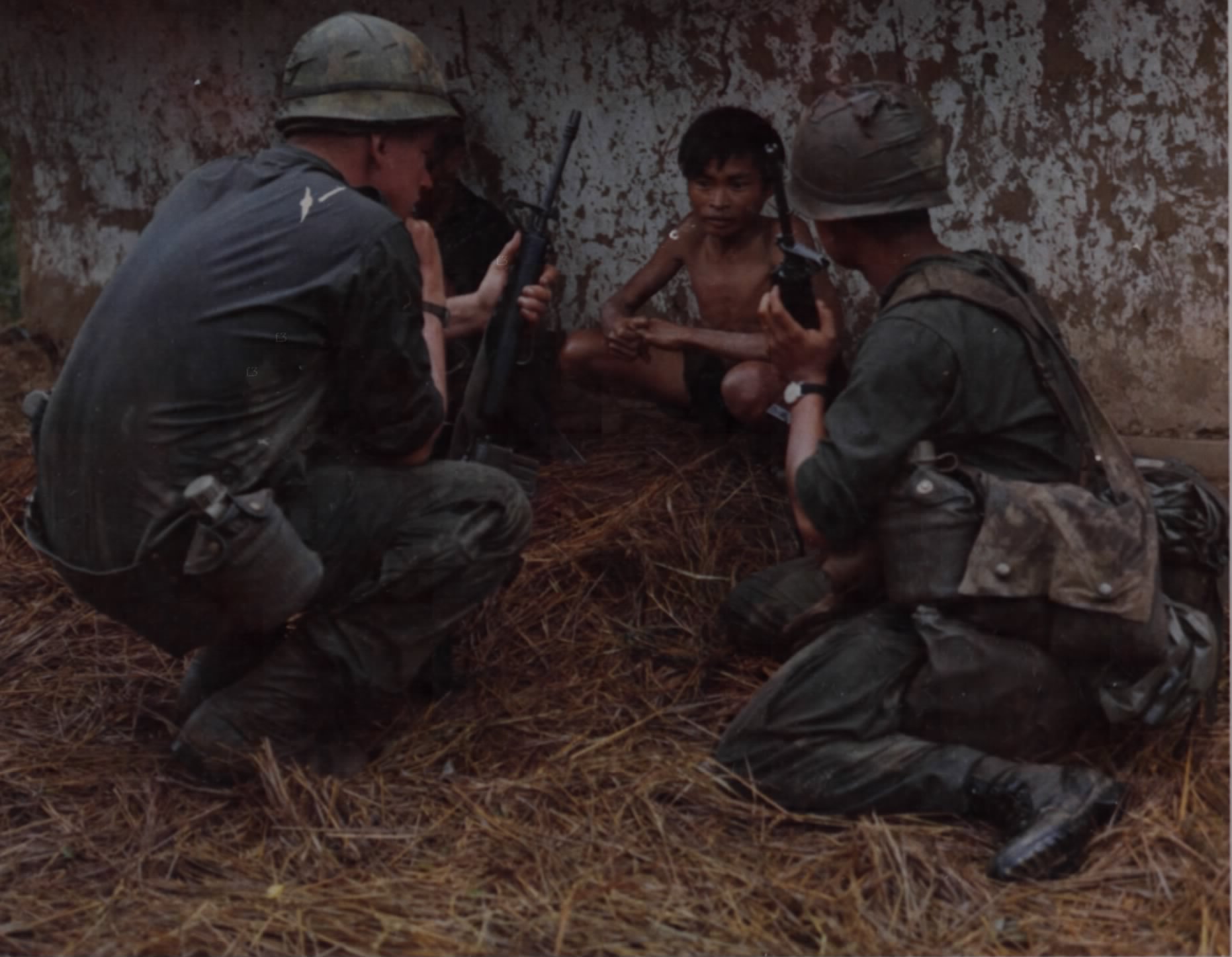
So, let’s set the scene: Public sentiment against the Vietnam War was growing but that didn’t sway President Johnson’s commitment to send more young men to fight in Southeast Asia, amid signals the conflict was far more complicated and difficult than initially anticipated.
On Sept. 7, the Department of Defense announced what would be the largest draft call for the war — with 49,200 registered men to be inducted into the military come October. It was the highest call since the Korean War. But again, the signs were there that things would get much worse before they got better.
The week before, United Nations Secretary-General U Thant of Burma announced he wouldn’t seek re-election, because the U.N. had been unable to end the conflict: “Today it seems to me, as it has seemed for many months, that the pressure of events is remorselessly leading toward a major war,” he said Sept. 1. “In my view the tragic error is being repeated of relying on force and military means in a deceptive pursuit of peace.”
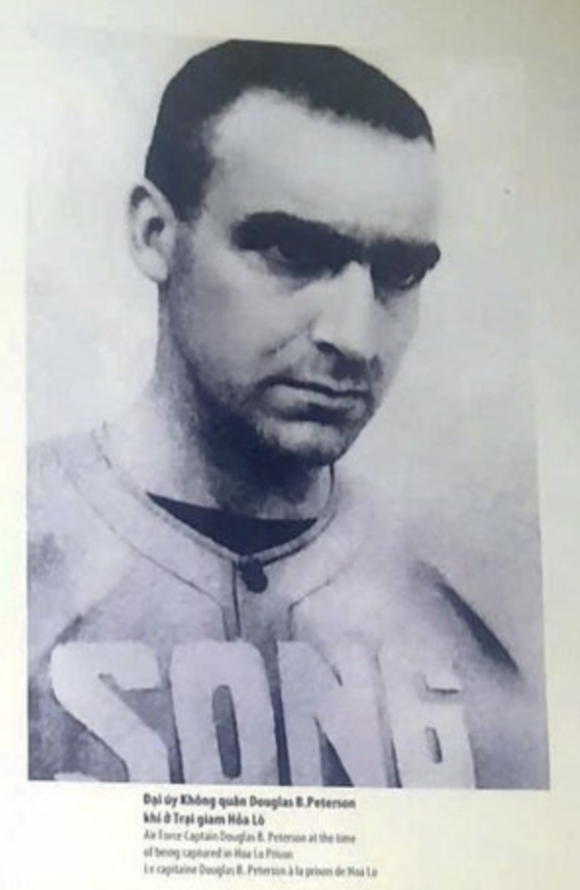
Meanwhile, on Sept. 10, USAF Capt. Douglas “Pete” Peterson was shot down in his F-4 Phantom over Vietnam. Peterson would be captured and be held as a prisoner of war at the “Hanoi Hilton.” Five days earlier, Nguyen Van Bay became the first North Vietnamese fighter ace when he shot down his firth airplane. The American pilot, USAF Capt. Wilfred K. Abbott, also survived and would be held as a POW, including at the Hanoi Hilton.
(Both men wouldn’t be released until March 4, 1973, as part of Operation Homecoming. Peterson would in the ’90s be elected to Congress from Florida and eventually serve as the first U.S. ambassador to Vietnam, under both Bill Clinton and George W. Bush.)
Global sociopolitical saber rattling was pervasive: On Sept. 9, the Chinese detonated its third nuke, and scientists said it appeared the Communist nation was preparing a hydrogen bomb. Two days later, French President Charles de Gaulle ended a world tour with a visit to French Polynesia, witnessing his country’s third nuclear test at the Mururoa Atoll near Tahiti.
The French test had been postponed for 24 hours because of unfavorable winds that would send the fallout to areas that were inhabited. Despite the continuing poor conditions, the test took place so de Gaulle could see it before he left. As a result, radioactive contamination blew across Tahiti, the Cook Islands, Niue, the Samoan Islands, Tonga, Wallis and Futuna, Fiji, and Tuvalu.
De Gaulle wore a radiation suit.
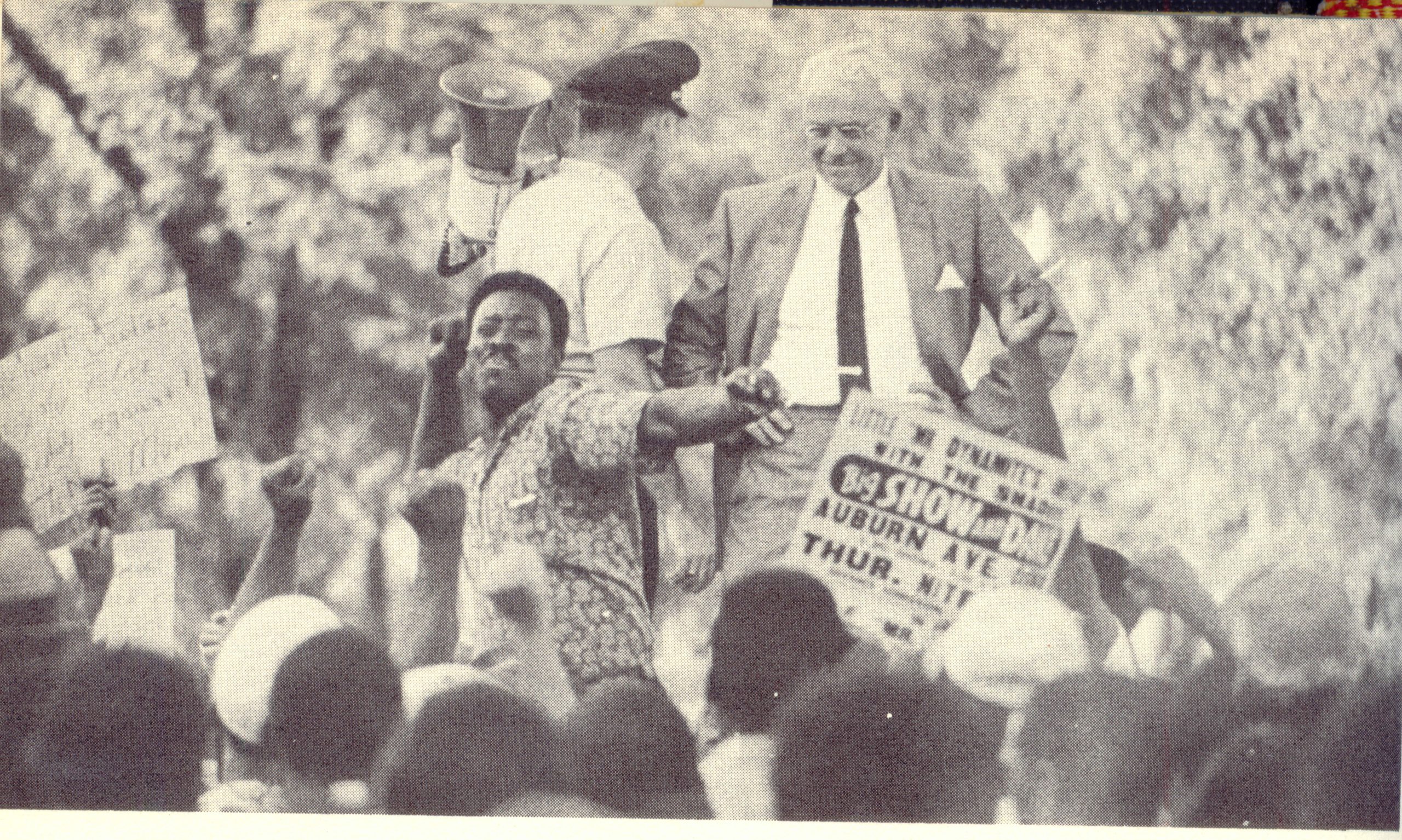
Demonstrators in Atlanta, as Mayor Ivan Allen (top, right) looked on, like he had not a care in the world.
Racial tensions continued to bubble over across the United States. On Sept. 6, the Summerhill Riot, also known as the Atlanta Rebellion, began after the police shooting of an unarmed Black man, Harold Prather.
A group of local residents that ballooned to over 1,000 people protested unfair urban conditions, including discriminatory policing, poor housing, substandard housing and the negative impacts of urban renewal, including the construction of the nearby Atlanta-Fulton County Stadium.
Two days earlier, a civil rights march in Chicago and its suburb of Cicero, Illinois, degenerated into violence. Despite police and National Guard protection, hundreds of white hecklers confronted the marchers, hurling rocks and bottles. Fourteen were hurt and almost 40 arrested.
On Sept. 12, Black children were allowed to attend all-white schools in Grenada, Mississippi, for the first time. Integration at a local grammar school took place without any problems, but after 50 Black students entered John Rundle High School, a mob of about 150 racists arrived and blocked any more from getting in. Thirty-five students tried to get past the mob but were beaten by white assailants. The U.S. Justice Department charged the mayor, city council and police chief with refusing to protect the children.
IN OTHER NEWS
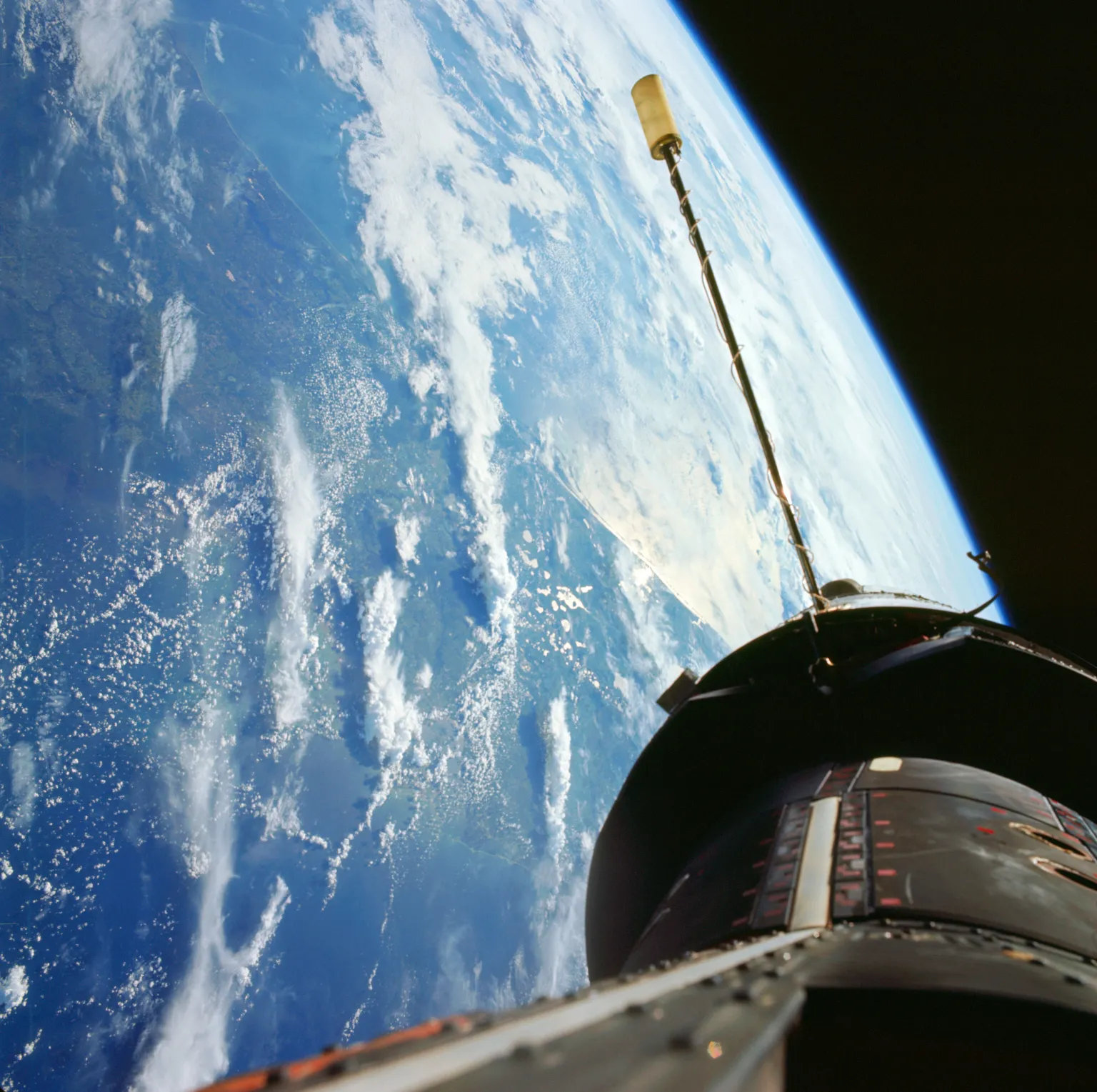
— NASA’s Gemini 11 (aka Gemini XI) mission launched Sept. 12. It was the 17th crewed American flight and the 25th overall.
— South African Prime Minister Hendrik Verwoerd, the architect of apartheid and considered the “father” of the white supremacist political system, was assassinated Sept. 6 during a parliamentary meeting in Cape Town. He was stabbed four times in the torso by Dimitri Tsafendas, a Communist activist who considered Verwoerd “Hitler’s best student.”
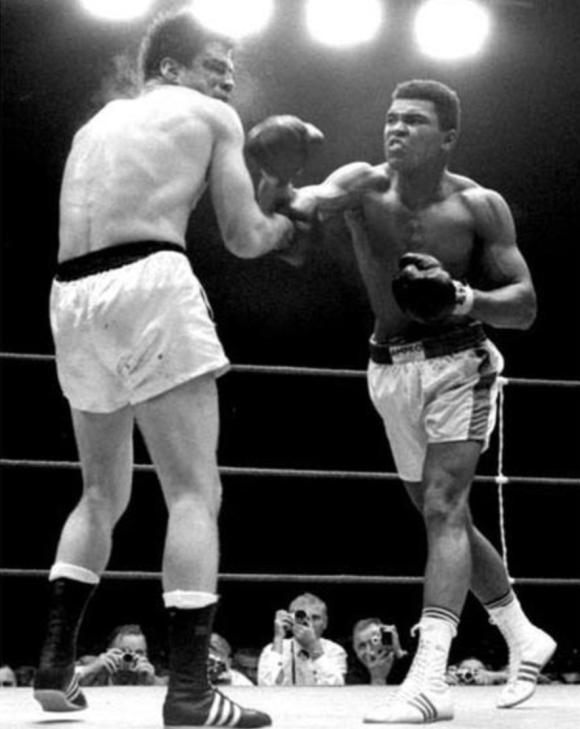
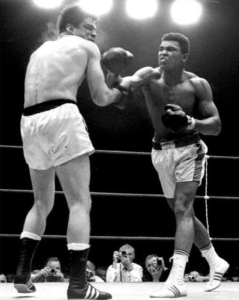
— On Sept. 10, Muhammad Ali, who had refused to be inducted into the armed forces about six months earlier because of his opposition to the Vietnam War, defended his world title in Frankfurt, West Germany, by beating European champion Karl Mildenberger, who had not lost in four years. Ali won in the 12th by TKO.
— A couple in suburban Kansas was expecting its first child. At the same time, a couple in New Jersey was expecting its second. The Kansas girl, Wendy, was born first, in November, followed by the New Jersey boy, Daniel, the next February. They would meet in New York in 1993, begin dating in 1994, and get married in 1996. We’ve been together 30 years.
It was a turning-point season for professional football. The National Football League and upstart rival American Football League had in June agreed on an eventual merger. Both leagues would continue playing separate schedules for the time being, but the 1966 season would culminate in the AFL-NFL World Championship Game — later officially named the Super Bowl. Two teams began play for the first time, as well: the expansion Miami Dolphins joined the AFL and the Atlanta Falcons debuted in the NFL.
The Falcons lost their Sept. 11 opener to the Los Angeles Rams, 19-14. The Dolphins began play Sept. 2 with a 23-14 loss to the Oakland Raiders. On the team’s very first play, however, Miami’s Joe Auer returned the opening kickoff 95 yards for a touchdown.
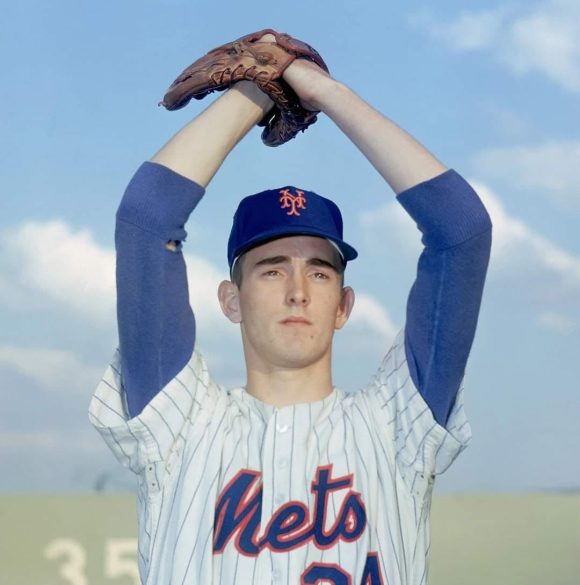
On Sept. 11, the 9th-place New York Mets reached into its farm system and put on the mound a 19-year-old right-handed fireballer, making him the second-youngest player in the majors. Nolan Ryan pitched in relief in an 8-3 loss to the Braves, who’d moved to Atlanta from Milwaukee that season. The teenager struck out the first batter he saw, plus two others across his two innings — and would go on to fire 5,711 more over 27 seasons to become the all-time strikeout king.
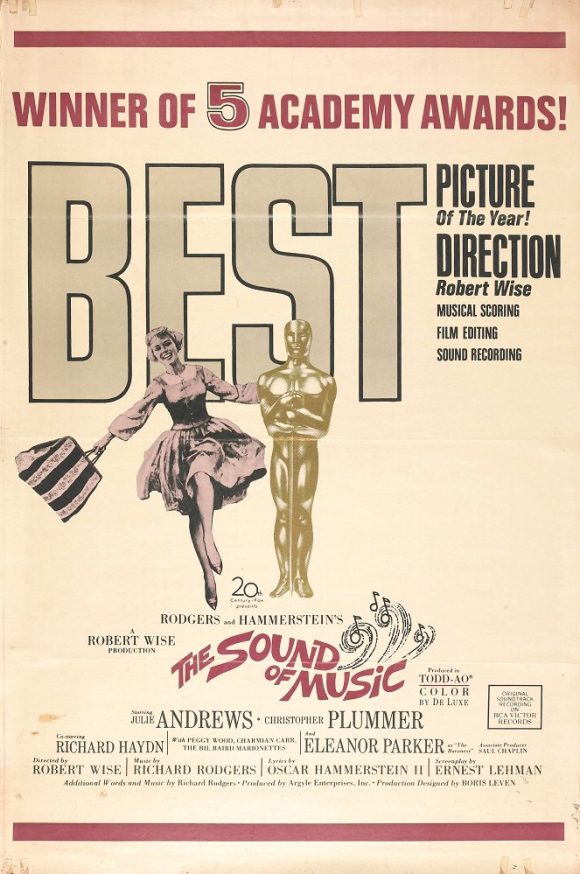
The Sound of Music won Best Picture earlier in the year.
The year was dominated by two movies that alternated back and forth at the top of the box office — The Sound of Music, which led this week, and Doctor Zhivago. Other hits included How to Steal a Million, a mixed-reviews heist comedy starring Audrey Hepburn and Peter O’Toole; the harrowing family drama Who’s Afraid of Virginia Woolf? with Elizabeth Taylor and Richard Burton, and directed by Mike Nichols; and, the jam-packed The Russians Are Coming the Russians Are Coming, with Alan Arkin in his first major movie role.
There was also the sci-fi classic Fantastic Voyage, starring Raquel Welch and her figure-hugging white uniform; Alfie, starring Michael Caine in one of his signature roles; and The Man Called Flintstone.
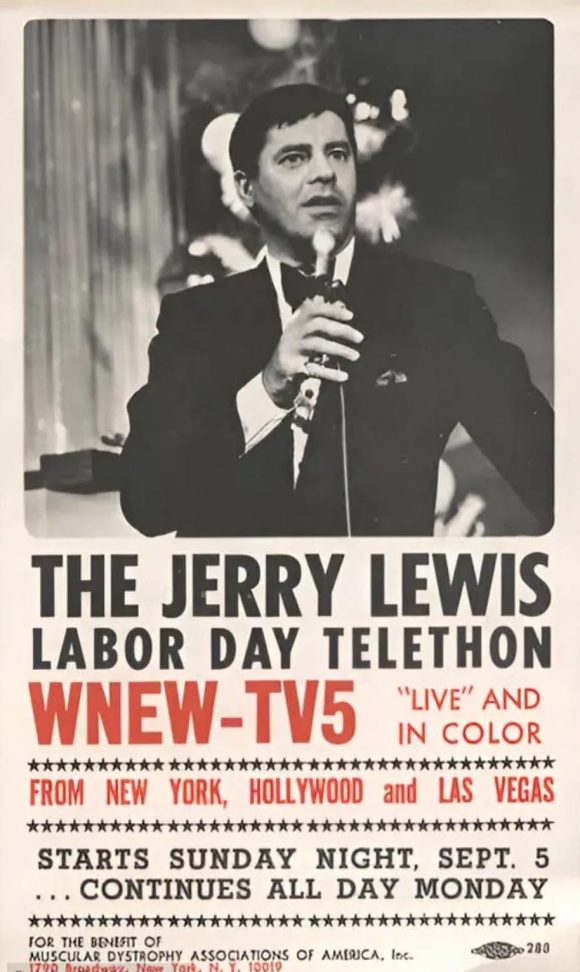
It was, hands down, one of the most notable weeks in television history — and the reason we picked this timing for 1966 WEEK. We’re just going to go chronologically:
Heading into the week, on Sept. 4-5, was the first Jerry Lewis MDA Labor Day Telethon. Lewis had been hosting telethons for muscular dystrophy since the early ’50s, but this was the first time it was held on Labor Day weekend.
There was a lot of skepticism that it would succeed since it was the last weekend of the summer season, but it turned out to be a smash, raising $1,002,114 (about $10 million today) in New York. The amount was such a surprise that Lewis had to climb a ladder and paint a “1” in front of the six-digit toteboard. The annual show would eventually expand nationally.
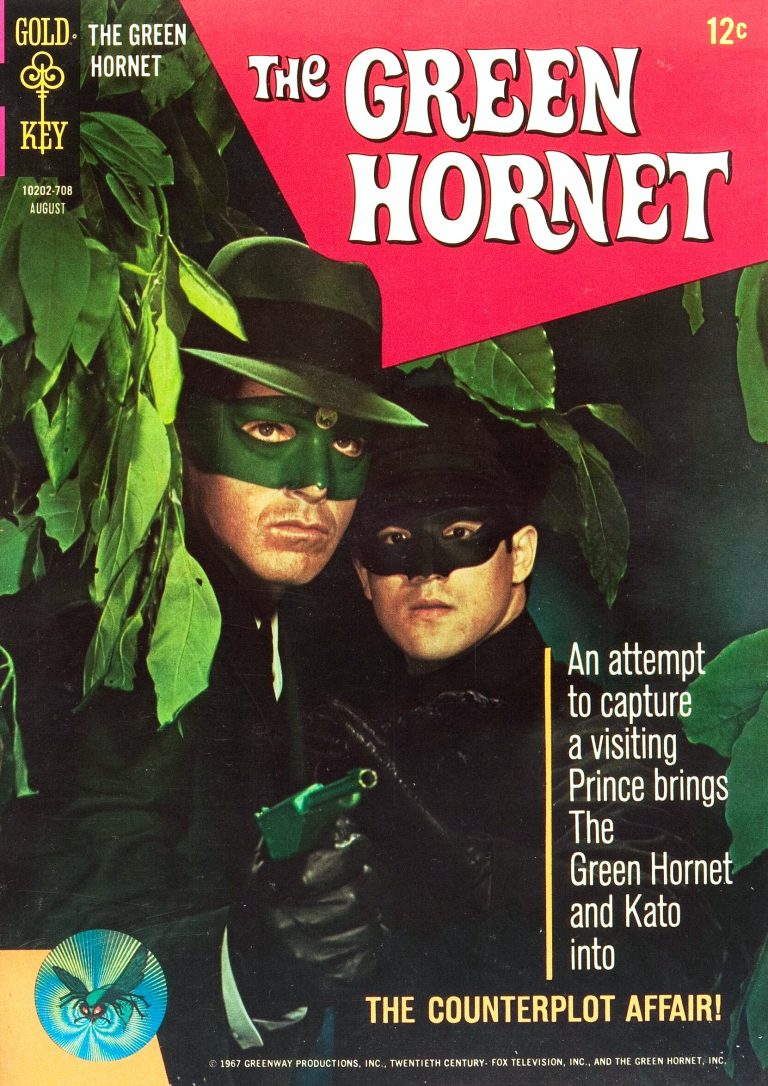
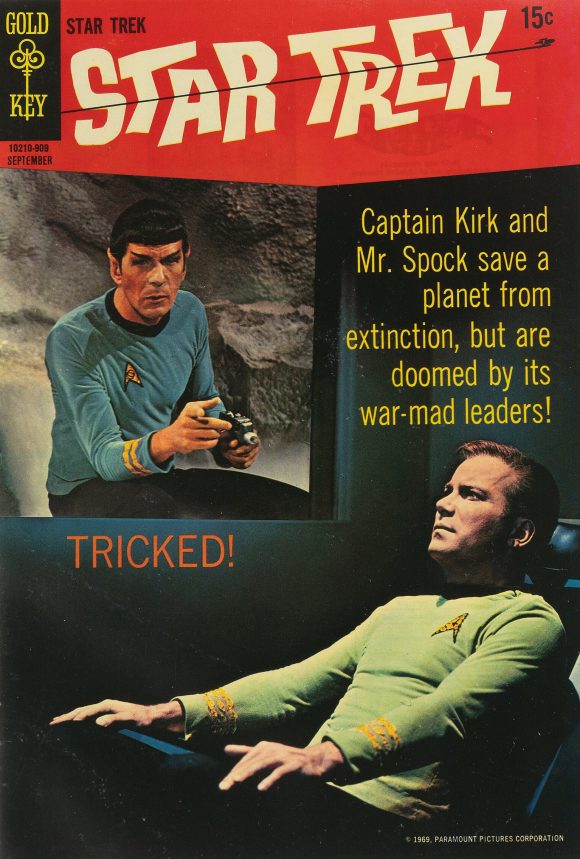
But it was the new network series that made a particularly strong mark on pop culture. Among the shows premiering were Star Trek (Sept. 8); The Green Hornet (Sept. 9); The Time Tunnel (Sept. 9); and The Monkees (Sept. 12) — all of which are being featured during 1966 WEEK. (You can find our 60th anniversary TOP 13 STAR TREK EPISODES POLL here.)
Other debuts included Tarzan (Sept. 8); That Girl (Sept. 8); The Rat Patrol (Sept. 12); and Family Affair (Sept. 12). Still to come were The Girl From UNCLE (Sept. 16) and Mission: Impossible (Sept. 17).
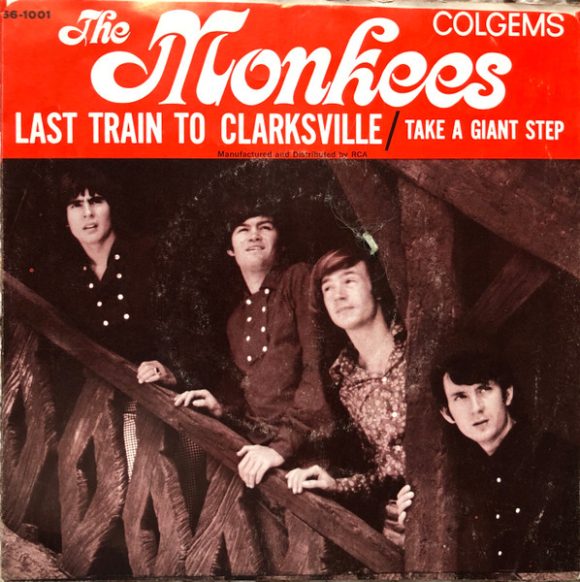
Released Aug. 16, almost a month before the show began.
Batman began its second season Sept. 7, and the big returning hits included Bonanza; Red Skelton; The Andy Griffith Show; The Lucy Show; The Jackie Gleason Show; Green Acres; Bewitched; The Beverly Hillbillies; Daktari; Gomer Pyle; Ed Sullivan; and, The Virginian.
But that’s not all! Also coming back were shows such as The (U.K.) Avengers; Candid Camera; Daniel Boone; The Dating Game; The Dean Martin Show; The FBI, Flipper; F Troop; The Fugitive; Get Smart; Gilligan’s Island; Gunsmoke; Hogan’s Heroes; The Hollywood Palace; I Dream of Jeannie; I Spy; Lassie; Let’s Make a Deal; Lost in Space; The Man From UNCLE; My Three Sons; Petticoat Junction; Peyton Place; To Tell the Truth; Voyage to the Bottom of the Sea; Walt Disney’s Wonderful World of Color; What’s My Line?; and, The Wild Wild West.
Saturday mornings made a big splash, too. On Sept. 10, Filmation’s The New Adventures of Superman, and Hanna-Barbera’s Space Ghost and Dino Boy and Frankenstein Jr. and The Impossibles all bowed. After school, The Marvel Super Heroes premiered this week in first-run syndication.
The Supremes’ You Can’t Hurry Love was the No. 1 single, with the Beatles’ Yellow Submarine and Donovan’s Sunshine Superman vying for the second slot. (The Fab Four’s Eleanor Rigby was also a hit.) Other major singles included Cherish, by the Association; Bus Stop, by the Hollies; Land of 1,000 Dances by Wilson Pickett; Wouldn’t It Be Nice, by the Beach Boys; Summer in the City, by the Lovin’ Spoonful; and the wonderful Sunny, by Bobby Hebb. Shooting its way up the chart was Cherry Cherry, the first hit for a young singer-songwriter from Brooklyn named Neil Diamond.
The Rolling Stones’ Paint It Black had peaked at No. 1 in June but it was still hot: They played it on Ed Sullivan’s season premiere Sept. 11, along with Lady Jane and Have You Seen Your Mother, Baby, Standing in the Shadow?
The Beatles’ Revolver — which featured both Yellow Submarine and Eleanor Rigby — hit the top of the albums chart this week in the United States. It was a truncated version of the British release, missing three songs — I’m Only Sleeping, And Your Bird Can Sing, and Doctor Robert — which were used already for the North American-only Yesterday… and Today, which also reached No. 1. (1965’s Rubber Soul was in the top slot earlier in the year, too.)
Other popular albums included What Now My Love by Herb Alpert & the Tijuana Brass (one of three Alpert long-players to reach the peak in ’66); the recently released The Supremes A’ Go-Go; Frank Sinatra’s Strangers in the Night; and If You Can Believe Your Eyes and Ears, the first LP by the Mamas & the Papas.
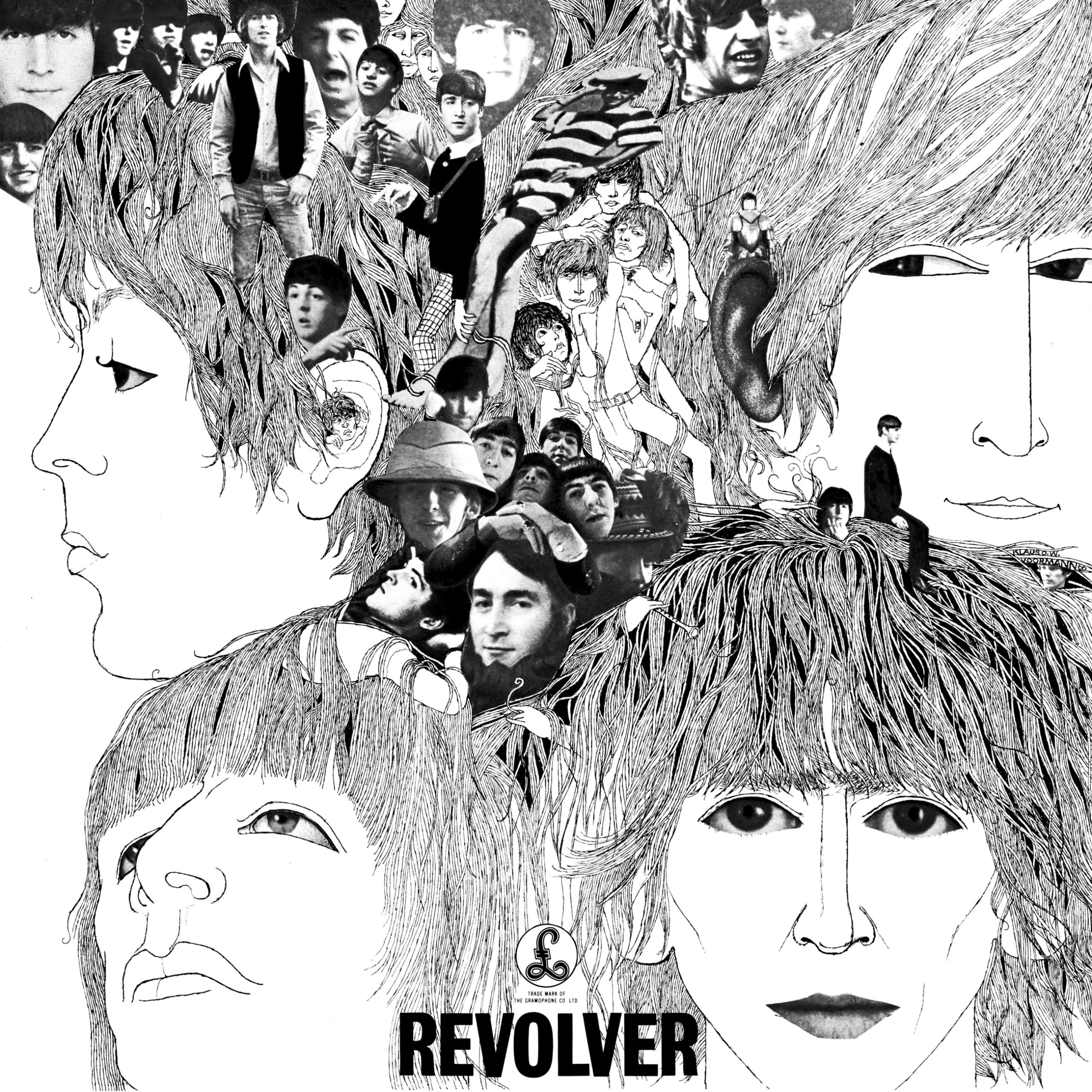
Revolver would reign for six weeks but, more importantly, it ushered in a new era for the band, which was becoming increasingly experimental in its approach to its music. Rubber Soul was a precursor, but the recording of the LP, whose notable cuts also included Taxman; She Said She Said; Here, There and Everywhere; Good Day Sunshine; For No One; and Got to Get You Into My Life, was an important factor in the band quitting touring. (Their last show was only a couple of weeks earlier, Aug. 29, in San Francisco.)
The tracks, with their nontraditional instrumentation and arrangements, were difficult to reproduce live — not that the screaming fans could hear the music, anyway — and the band had become far more interested in the studio process. But the real shot across the bow of popular music was Tomorrow Never Knows, an album-ending masterpiece that’s as much a mind-blower today as it was 60 years ago. (Put on your earphones and just concentrate on Ringo’s drumming alone.)
Between Revolver — which now often tops lists of the Beatles’ best — and the influence of the Beach Boys’ Pet Sounds, which came out in the spring, John, Paul, George and Ringo were primed for their next titanic album.
Lay down all thoughts, surrender to the void. It is shining, it is shining…
—
Scott Tipton, contributor-at-large, 13th Dimension
The Amazing Spider-Man #43, Marvel. The first and perhaps best of John Romita’s Spidey villains. Someday he’ll be in a good movie…
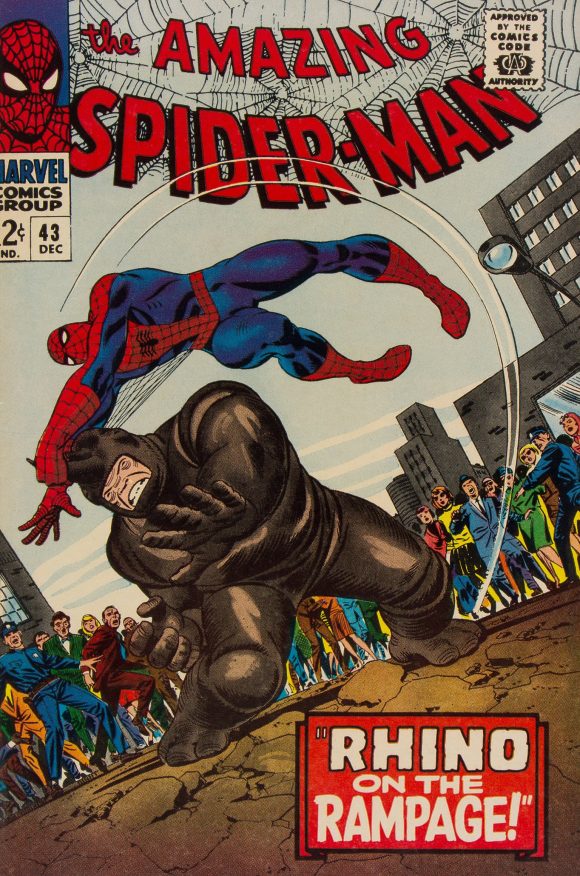
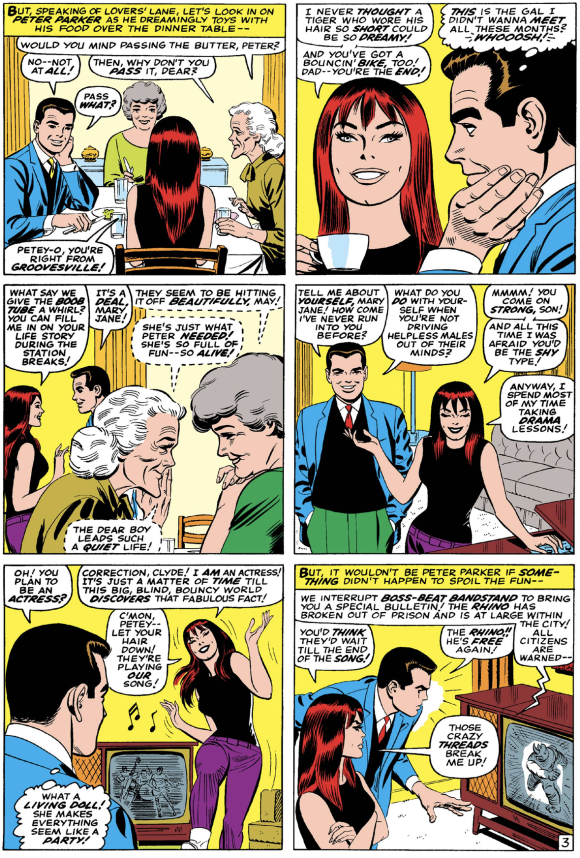
Dan adds: Not just that, it’s the first full appearance of Mary Jane Watson, whom we finally got to see on the last page of the previous issue, spouting her famous “Face it, Tiger…” line.
—
Aquaman #30, DC. Does Metamorpho not need to breathe? Huh. Learn something new every day.
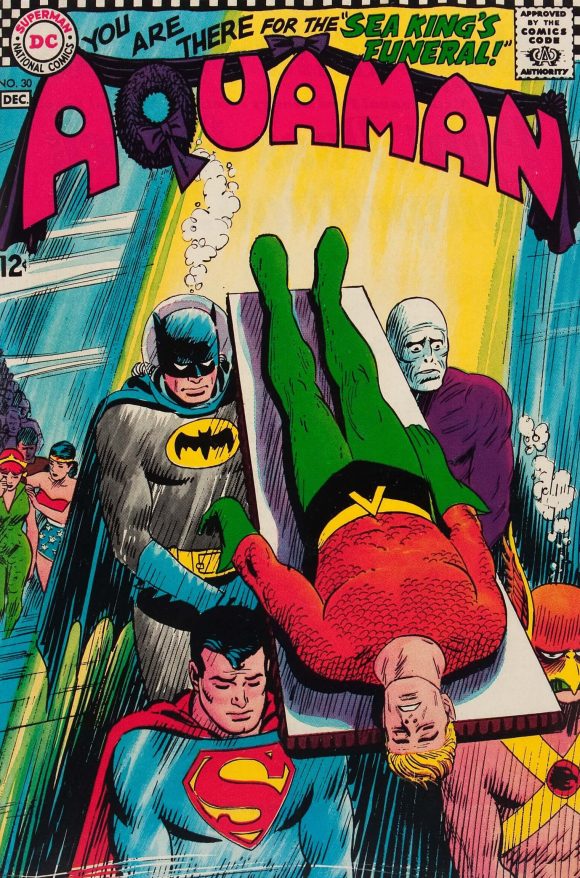
Dan adds: He can make his own oxygen, right?
—
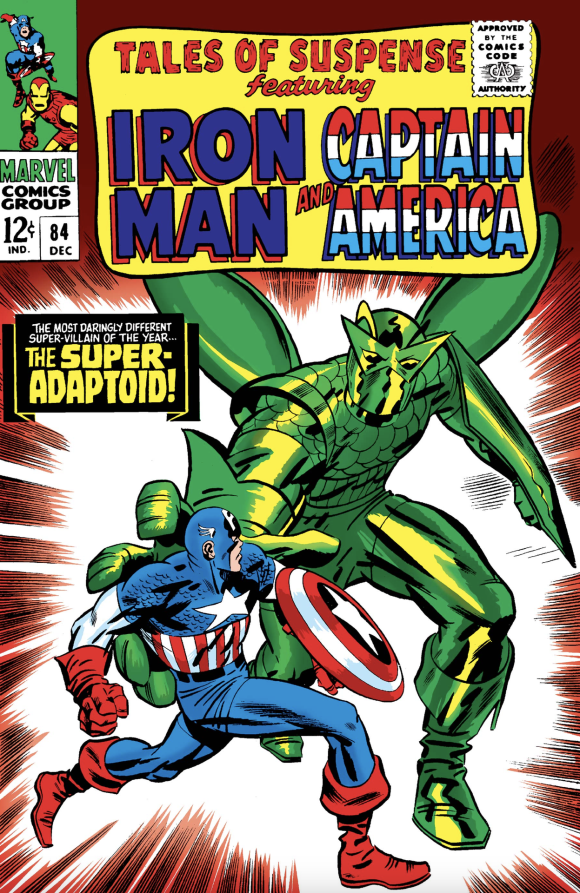
Tales of Suspense #84, Marvel. Seems like we never see the Super-Adaptoid anymore.
—
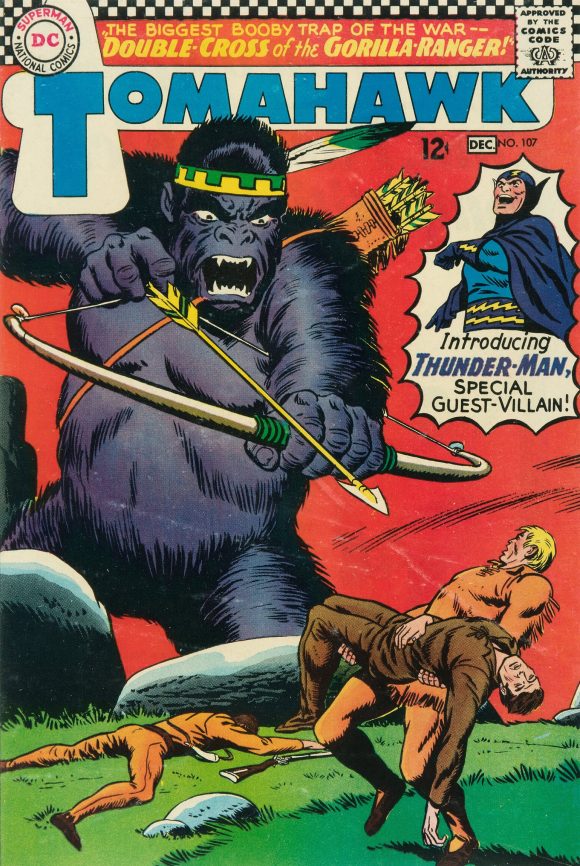
Tomahawk #107, DC. I need more of Gorilla Ranger.
—
Dan Greenfield, editor, 13th Dimension
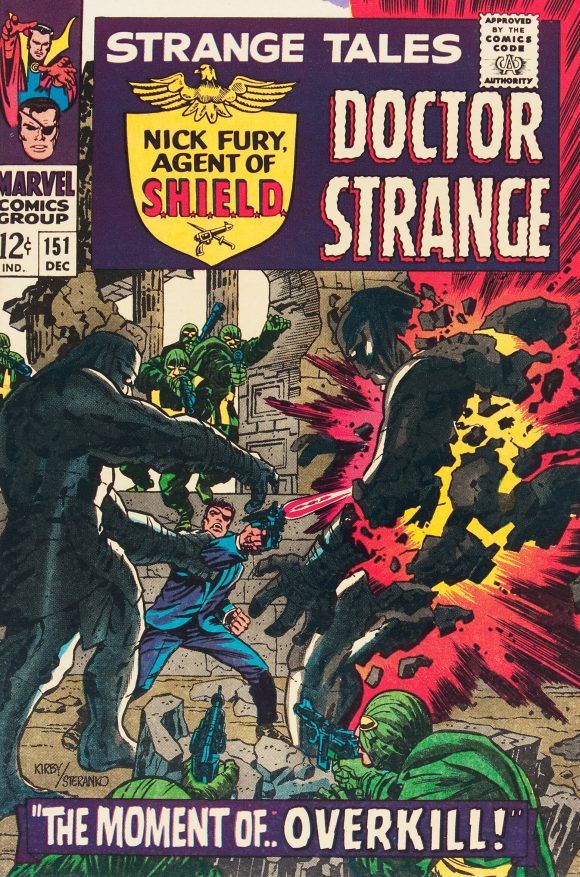
Strange Tales #151, Marvel. Very quietly, this issue began a new era in the world of comics. Stan Lee and Jack Kirby were joined by a 27-year-old artist who finished Jack’s interiors and inked the King’s cover. It went over well. The next issue, he did interior finishes a second time. It also went over well. The issue after that he did finishes one more time, but he also penciled and inked the cover. With no shortage of cockiness, the kid signed with just his last name, all in caps: STERANKO.
—
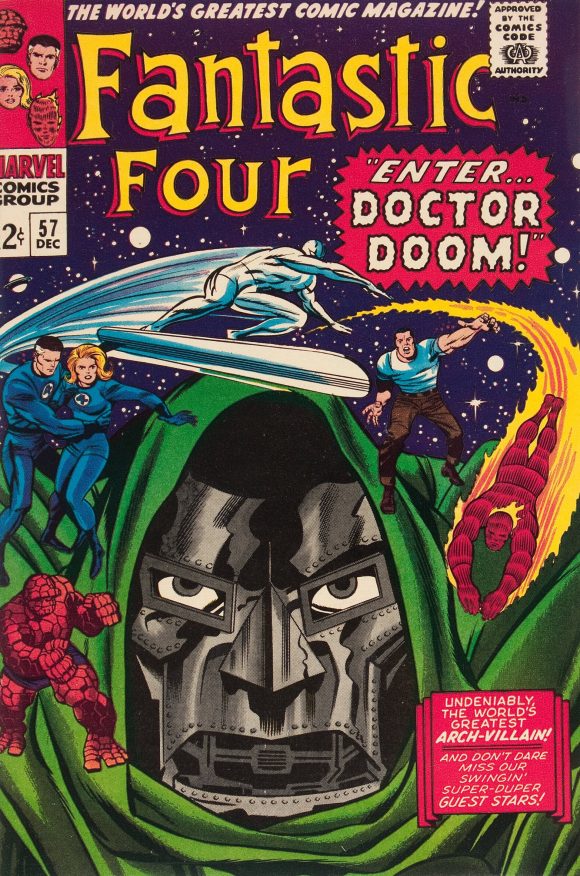
Fantastic Four #57, Marvel. Let’s see, there’s the Sandman and the Wizard; the Inhumans; and The Thing watching The Marvel Super Heroes on TV! Most importantly, Doctor Doom meets the Silver Surfer for the first time, steals his power — and his surfboard! Lee, Kirby and Sinnott’s FF was in its Golden Age.
—
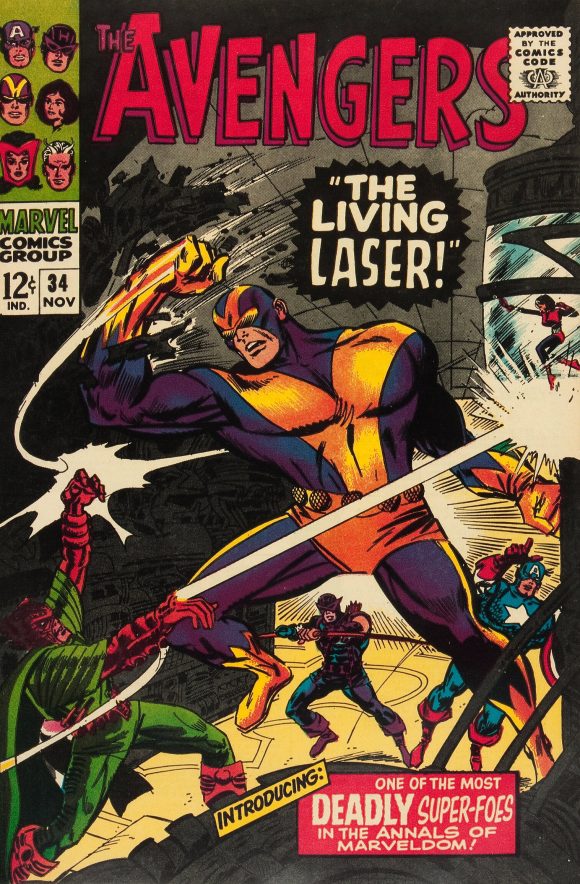
The Avengers #34, Marvel. The first appearance of the Living Laser, for all you Living Laser fanatics out there!
—
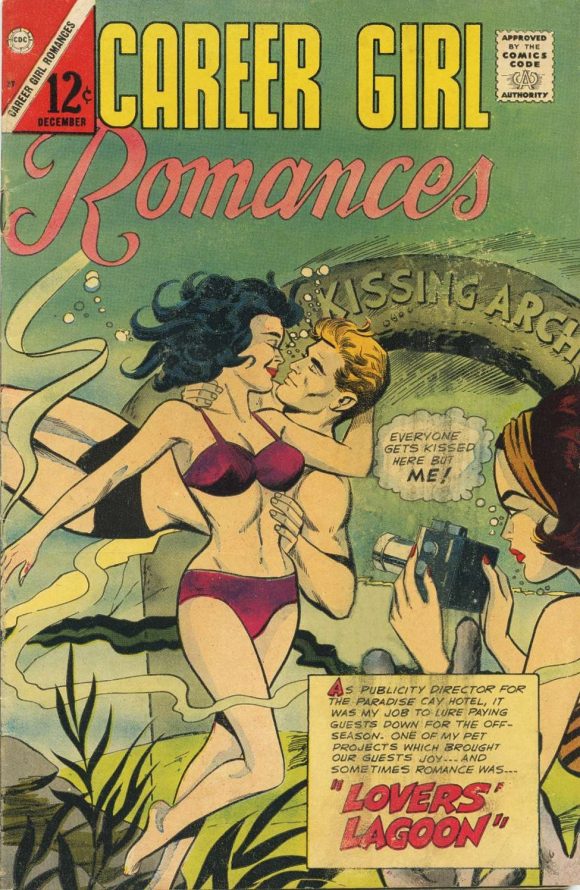
Career Girl Romances #37, Charlton. Dude, watch that hand — the Comics Code is looking.
—
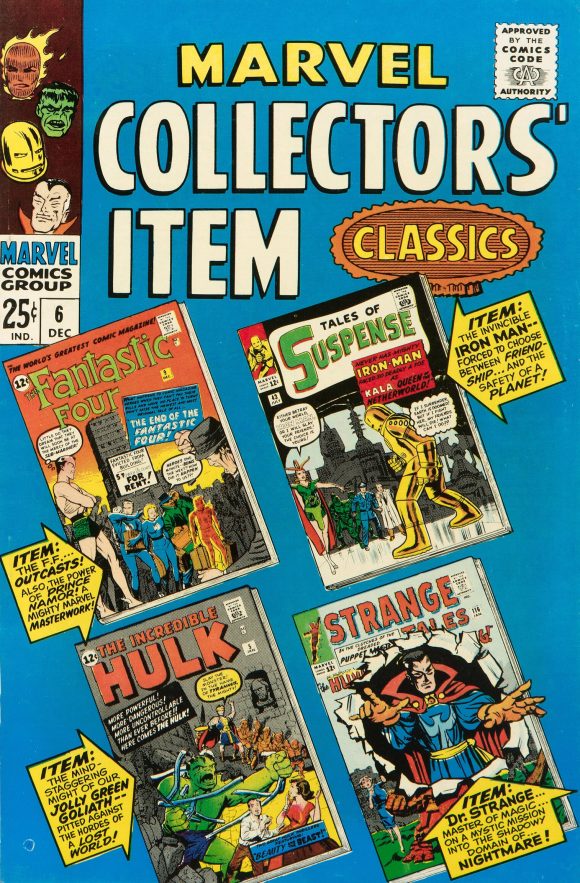
Marvel Collectors’ Item Classics #6, Marvel. What a deal for a quarter!
—

News reported through various sources and compiled with AI. This is automatically generated news content from known, popular, and reliable sources available at the time of publication.
We do not take any responsibility for, nor make any representations regarding, the accuracy, completeness, credibility, or
reliability of the content.
In case of any discrepancy, error, or copyright claim, we will promptly review and remove the content in question where appropriate.
We do not claim ownership of third-party content and assume no responsibility or liability whatsoever for any information contained herein. The credit, links and images are kept intact as an honest gesture, are property of its respective owners.