

 Editor's Desk




What erotic nutcuters reveal about the sensual history of paan in India
If you’ve ever wondered how Indians set the mood in centuries past, one potential answer is: cutting nuts – the areca kind.
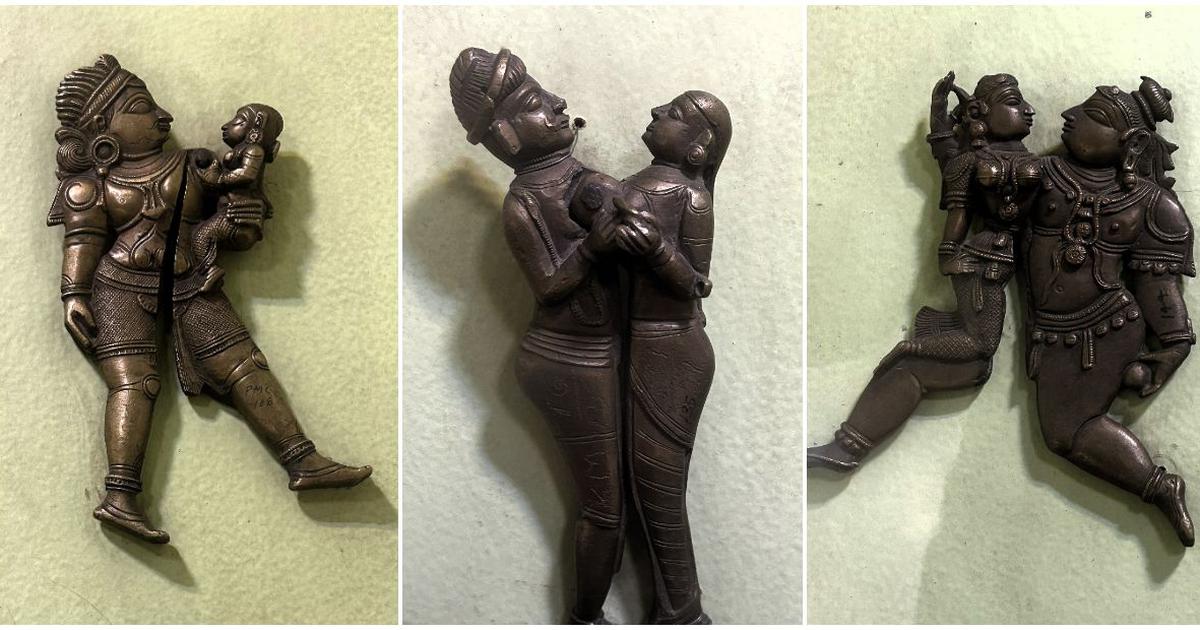
That possibility is suggested by the existence of highly suggestive nutcutters preserved among exhibitions of antique domestic objects. A prime example is the display at the Raja Dinkar Kelkar Museum in Pune, arguably India’s largest collection of everyday artefacts from the early to late modern period in western and southern India. Housed since the 1960s in a traditional Puneri wada in one of the city’s old peth neighbourhoods, the museum’s curation of nutcutters – called adkitta in Marathi, sudi in Gujarati and sarota in Hindi – is especially noteworthy for its size, diversity and craftsmanship.
Alongside more respectable versions bearing animal and bird motifs or plain geometric designs sits a curious collection of erotic nutcutters. Made of brass and silver in Maharashtra, Gujarat and Rajasthan during the 18th and 19th centuries, these objects depict couples in a variety of amorous poses. Yet the Kelkar Museum’s risqué sarotas are not merely titillating curiosities but represent a pedigreed lineage of erotic imagery intertwined with the consumption of areca nuts as part of the sophisticated cultural practice of betel chewing.
Before exploring the meanings of this practice,…

News reported through various sources and compiled with AI. This is automatically generated news content from known, popular, and reliable sources available at the time of publication.
We do not take any responsibility for, nor make any representations regarding, the accuracy, completeness, credibility, or
reliability of the content.
In case of any discrepancy, error, or copyright claim, we will promptly review and remove the content in question where appropriate.
We do not claim ownership of third-party content and assume no responsibility or liability whatsoever for any information contained herein. The credit, links and images are kept intact as an honest gesture, are property of its respective owners.